Ex-NASA Chief Warns of Risks in Artemis Moon Lander Designs
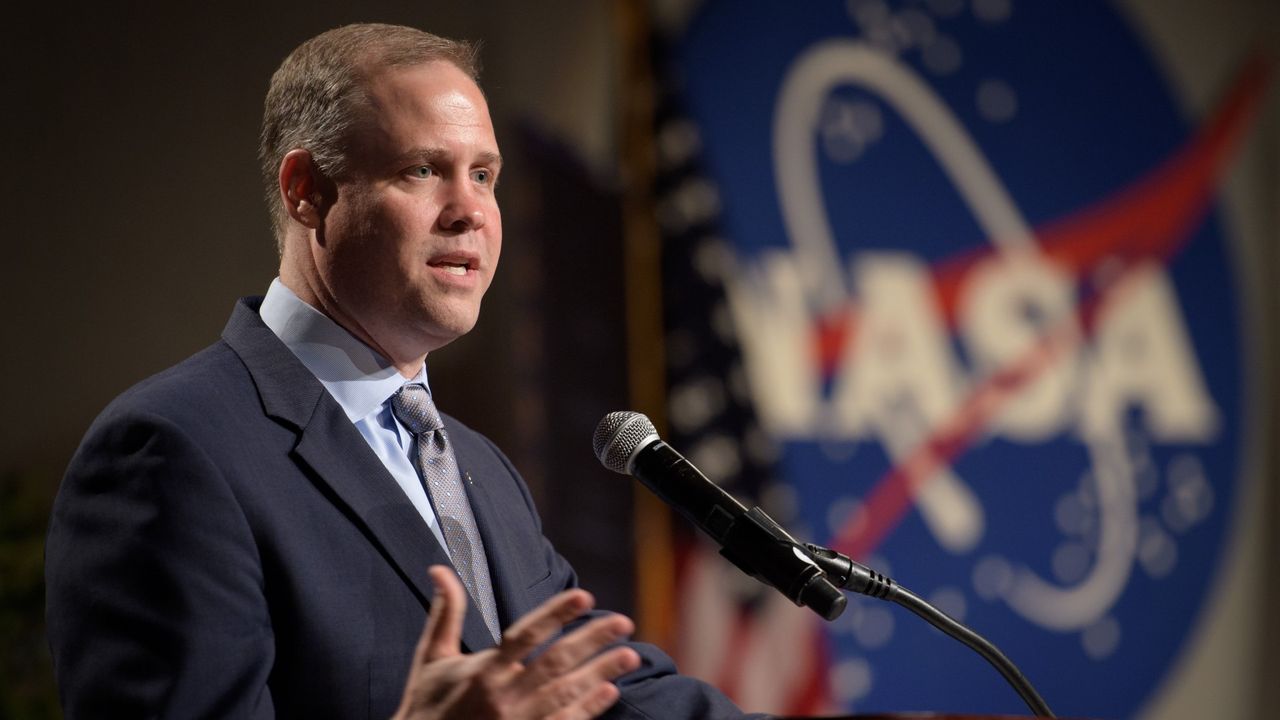
Former NASA Administrator Jim Bridenstine has voiced significant concerns regarding the current design choices for the commercial moon landers intended for NASA's Artemis program. He believes these designs could lead to future complications and setbacks for the ambitious lunar missions. Bridenstine's remarks suggest a potential disconnect between the agency's vision and the practical execution of its lunar exploration goals. The Artemis program aims to return humans to the Moon and establish a sustainable presence, making the reliability and efficacy of its lander technology paramount. His critique implies that the chosen pathways for developing these critical components may not be robust enough to ensure long-term success. The former administrator's statement serves as a cautionary note, urging a re-evaluation of the current trajectory before significant resources are further committed. This questioning from a former leader highlights the complex challenges inherent in developing cutting-edge space technology and managing large-scale, multi-faceted space programs like Artemis.
The development of complex aerospace systems like lunar landers inherently involves balancing innovation with risk mitigation. Former Administrator Bridenstine's concerns may reflect a tension between the drive for rapid technological advancement and the imperative for mission assurance. The reliance on commercial partnerships introduces market dynamics and cost-efficiency considerations that could influence design choices. A thorough review of the lander designs, considering potential failure modes and long-term operational viability, is crucial. Evaluating the incentive structures for commercial providers to prioritize safety and reliability alongside performance metrics will be key to ensuring the success of the Artemis program and future deep-space endeavors. This situation underscores the importance of robust oversight and contingency planning in public-private space ventures.
AI-generated to prompt reflection — not editorial opinion, not advice, not a statement of fact. How this works.