Ex-Peruvian President Pedro Castillo Demands Release After UN Report Cites Arbitrary Arrest
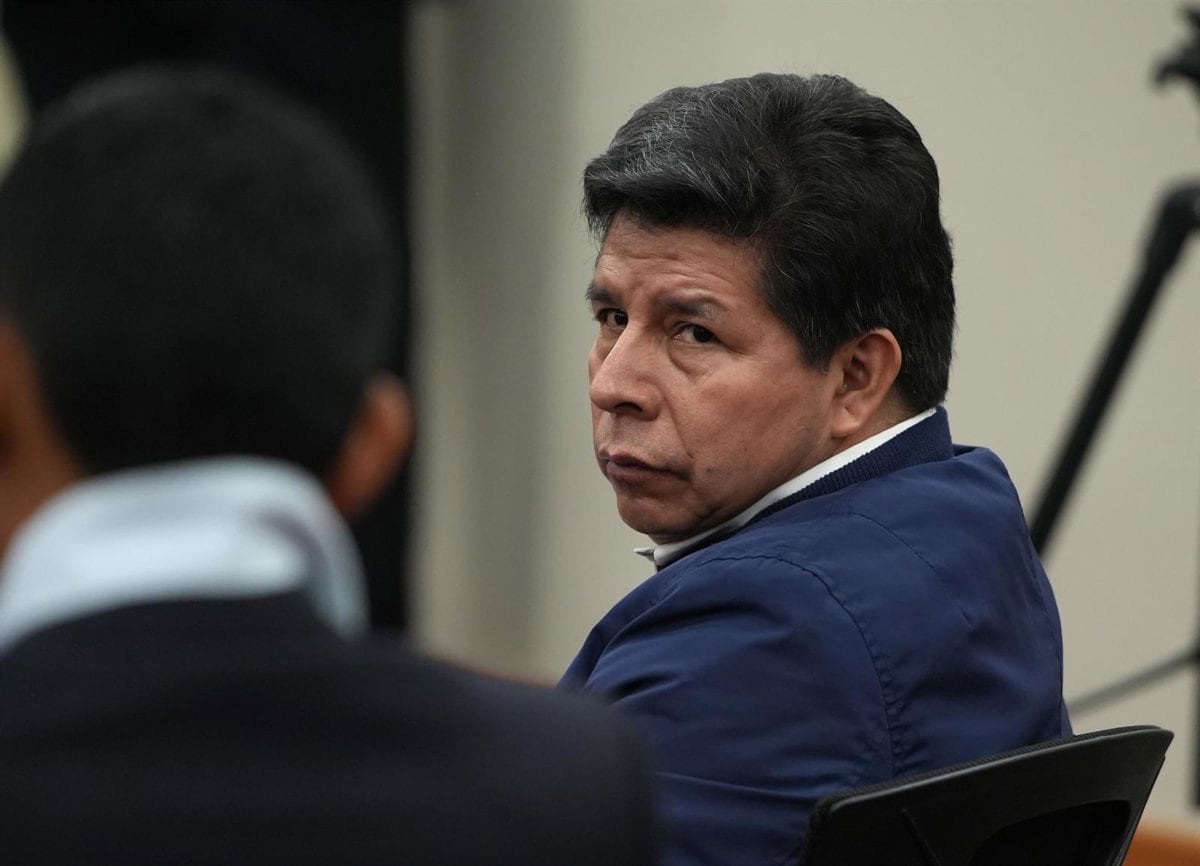
Former Peruvian President Pedro Castillo has asserted his right to freedom following a report from the UN Working Group on Arbitrary Detention (WGAD). Castillo stated that the WGAD document confirms his imprisonment lacked justification. He further claims that the Peruvian state "flagrantly violated" his human rights through his detention. The report's findings are expected to bolster Castillo's legal arguments for his release. His detention has been a significant point of contention since his removal from office. The WGAD's opinion carries weight in international human rights discourse. This development could put further pressure on the Peruvian government regarding Castillo's case. The former president has consistently maintained his innocence and argued the legal proceedings against him were politically motivated. The UN's assessment adds an international dimension to his ongoing legal and political struggle.
The UN Working Group on Arbitrary Detention's report on former President Pedro Castillo's case highlights potential discrepancies between domestic legal processes and international human rights standards. The WGAD's findings, if substantiated, could influence ongoing legal proceedings by framing the detention as potentially lacking due process. This situation underscores the complex interplay between national sovereignty in judicial matters and the universal application of human rights principles. Future actions by Peruvian authorities will likely be scrutinized for their adherence to both domestic law and international obligations, potentially impacting perceptions of governance and the rule of law in Peru. The long-term implications may involve adjustments in how political detentions are handled to align more closely with international norms.
AI-generated to prompt reflection — not editorial opinion, not advice, not a statement of fact. How this works.