Ex-Presidential Intelligence Head Denies Stratcom Pressure on TRC Cases
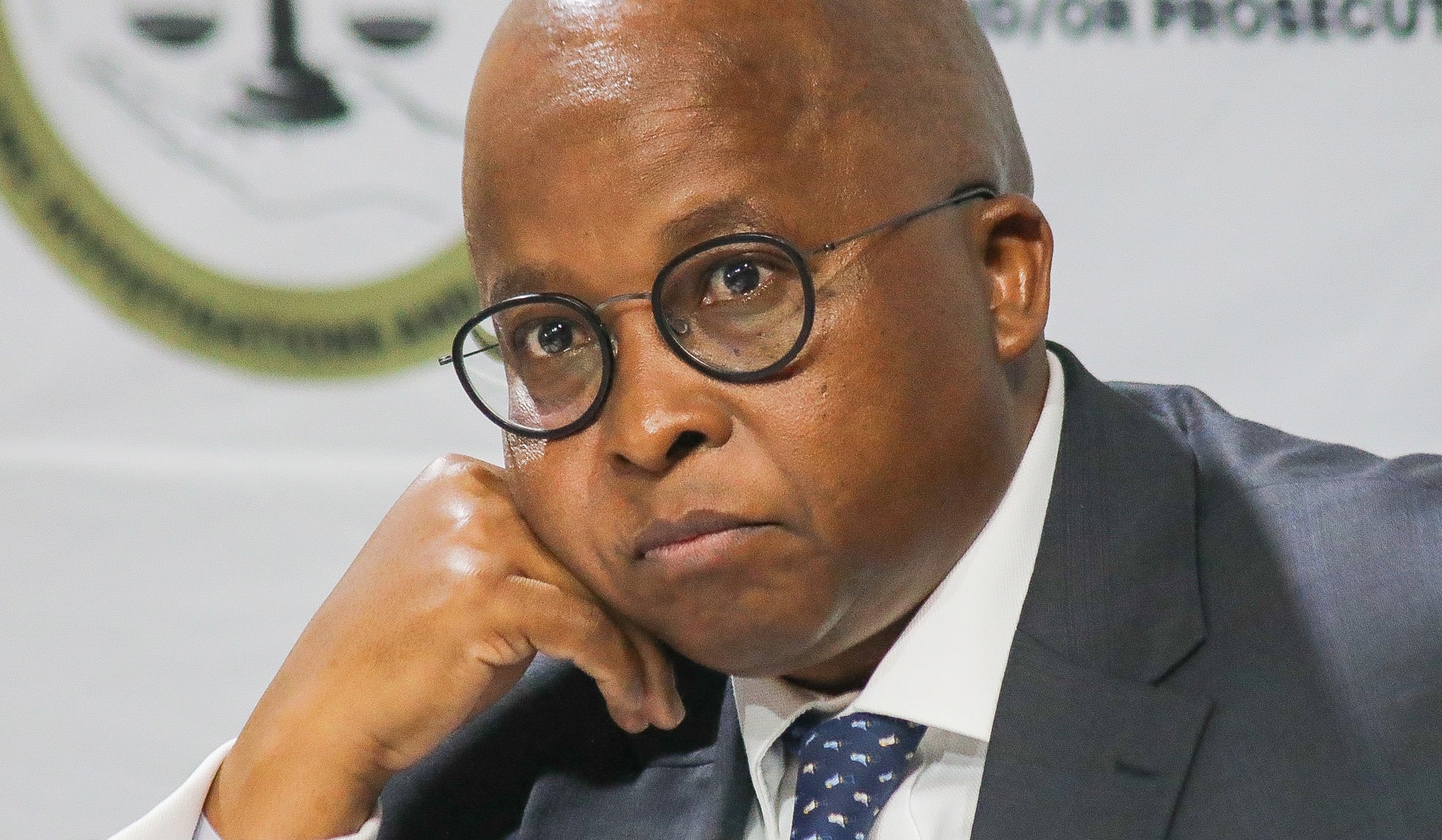
Loyiso Jafta, a former intelligence official within the South African Presidency and a close associate of Thabo Mbeki, has denied allegations that 'Stratcom' pressure derailed cases related to the Truth and Reconciliation Commission (TRC). Jafta, who served as a key advisor and intelligence gatherer for Mbeki, stated that he was privy to sensitive information and held a significant position within the presidential intelligence apparatus. His testimony addresses concerns that political interference may have undermined the TRC's mandate to uncover truths about apartheid-era crimes. The TRC was established to investigate human rights abuses committed during apartheid and to offer amnesty to perpetrators who disclosed their actions. The commission's work has faced scrutiny over the years regarding its effectiveness and the extent to which justice was served. Jafta's denial is a significant development in the ongoing discussions about accountability for past atrocities. His role as a confidant and intelligence operative for the former president places him in a unique position to comment on the internal dynamics of the presidency during that period. The allegations of 'Stratcom' interference suggest a coordinated effort to manipulate public perception and obstruct justice.
The assertion by a former senior intelligence official regarding the absence of 'Stratcom' pressure on TRC cases prompts a review of institutional accountability mechanisms. This situation highlights the critical importance of transparency in historical investigations and the potential for political influence to impact judicial and reconciliation processes. Examining the incentive structures within intelligence agencies and presidential offices during the post-apartheid transition is crucial for understanding how sensitive information was managed and how decisions affecting national reconciliation were made. Future governance models should prioritize robust checks and balances to safeguard the integrity of truth-seeking initiatives against undue political interference, ensuring that historical narratives are established through objective processes rather than strategic manipulation.
AI-generated to prompt reflection — not editorial opinion, not advice, not a statement of fact. How this works.