Ex-Prosecutors Doubt GOP Case Against Jack Smith, Citing Lack of Criminal Evidence
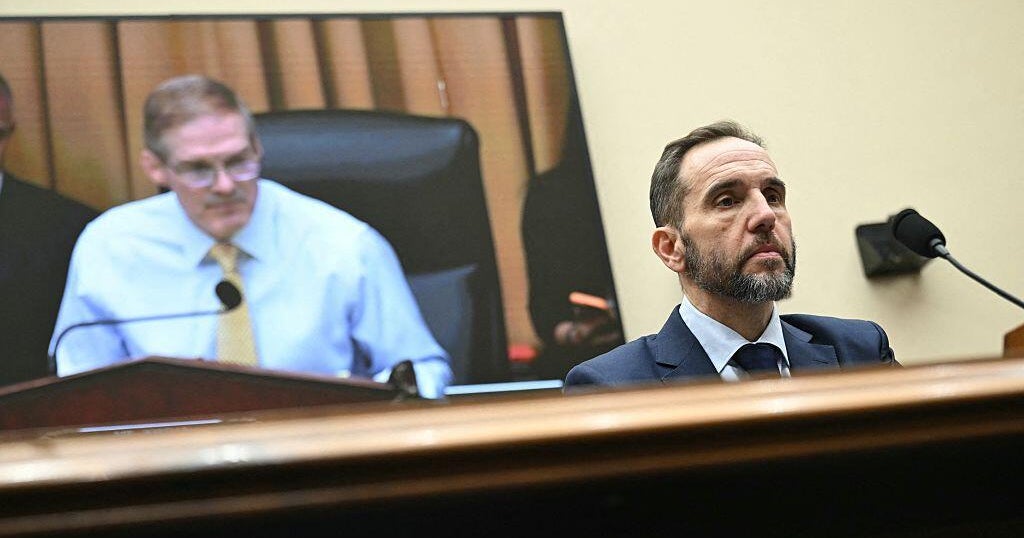
Former federal prosecutors have expressed skepticism regarding the likelihood of successfully prosecuting Justice Department special counsel Jack Smith based on allegations made by House Republicans. They argue that the referral from the House Republicans fails to demonstrate that Smith actually committed a crime. According to these legal experts, the Justice Department would encounter significant challenges in building a criminal case against Smith. The referral, which was reportedly based on claims of leaking information and mishandling documents, has been met with doubt from those familiar with prosecutorial standards. These former officials emphasize that proving criminal intent or action beyond a reasonable doubt is a high bar, and the current allegations may not meet that threshold. They suggest that the referral might be more politically motivated than legally sound. The Justice Department's decision on whether to pursue charges will likely depend on a rigorous legal review of the evidence presented by the House Republicans.
The referral of Jack Smith by House Republicans presents a case study in the intersection of political oversight and prosecutorial independence. From a legal perspective, the core challenge for any prosecution would be to demonstrate criminal intent and action, moving beyond mere procedural disagreements or perceived political bias. The scrutiny from former prosecutors highlights the high burden of proof required in the U.S. legal system, suggesting that political accusations alone may not translate into criminal liability. This situation underscores the importance of robust checks and balances, ensuring that investigations are grounded in evidence rather than partisan objectives. Looking ahead, such referrals could influence public trust in both legislative oversight functions and the Justice Department's impartiality, potentially leading to calls for clearer guidelines on the boundaries between political critique and actionable legal claims.
AI-generated to prompt reflection — not editorial opinion, not advice, not a statement of fact. How this works.