Ex-Spokesperson Mara Sedini's Resurgence Exposes Government Dysfunction
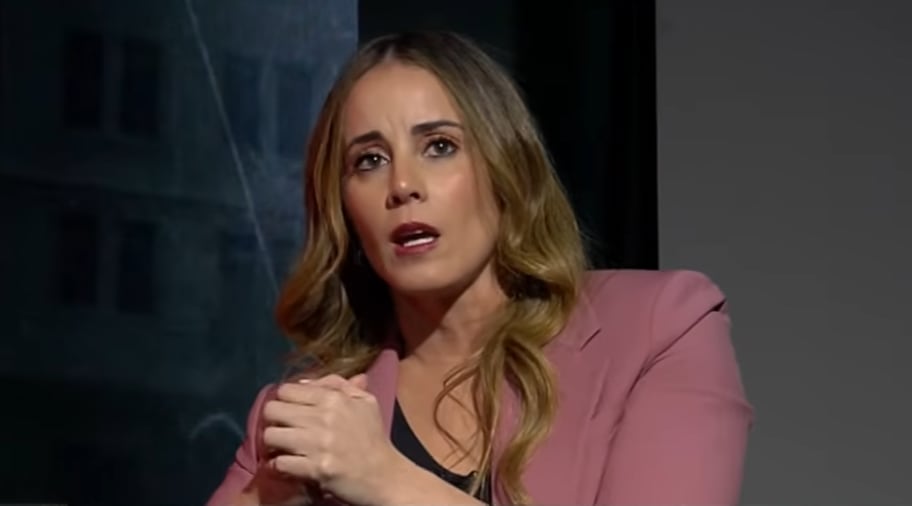
The reappearance of former spokesperson Mara Sedini on the program 'Sin Filtros' has been described as a revealing look into the degradation of public service and the blurring of lines between entertainment and high-level state politics. This dynamic of discrediting governments is not new, as former high-ranking officials often speak out against administrations that trusted them, seeking to enhance their memoirs or protect their reputations. Sedini's actions, similar to those of former minister Jaime Campos after the Bachelet II administration, exemplify how personal interests can undermine institutional discipline and the presidential figure.
Sedini's commentary reportedly targeted the foundational political structure of the Republican party and the right-wing renewal movement. She is said to have struck a blow against a government that pledged to eliminate cronyism and favoritism, by revealing the systematic acceptance of party member applications under the guise of ensuring political stability. This practice, she suggested, demonstrates how technical merit has been sacrificed to political blackmail, with denials of party quotas in ministries now leading to retaliation. Furthermore, she highlighted the vulnerability of independent ministers, including herself, who, lacking party backing and supposedly appointed on technical merit, are left unprotected against political factions prioritizing party loyalty over allegiance to the executive branch. Sedini reportedly stated she did not fit the mold of the 'elite or caste' of the established parties, aligning with Franco Parisi's critique of the establishment.
The interview also exposed a disconnect between the 'Second Floor' (presidential advisors) and the Cabinet, characterized by ministers being disempowered and blocked from direct access to the President. A particularly striking point was Sedini's explanation for an error regarding Galvarino Apablaza, attributing it to incorrect information provided by the Presidency. If true, this suggests a significant failure in strategic information management and a potential lack of understanding within the ruling party regarding a crucial historical event. Sedini's self-assessment of her style as an 'asset' and her self-description as a 'goal scorer' in the 'cultural battle' have been interpreted as vanity, potentially benefiting the opposition. Despite claiming loyalty, her current public statements are seen as lacking the strategic coherence expected of her former role, portraying her as a performer in the culture of the new media-savvy politician.
The public statements by Mara Sedini, a former government spokesperson, highlight systemic issues within political administrations regarding meritocracy, political appointments, and internal communication. The narrative suggests a tension between technical expertise and political loyalty, where the latter may be prioritized to maintain party cohesion, potentially at the expense of effective governance. This dynamic can lead to a perception of cronyism, undermining public trust and the government's mandate to serve the broader public interest. Furthermore, the alleged disconnect between advisory bodies and ministerial cabinets, and the potential for misinformation within strategic communication channels, points to governance challenges that can impact policy implementation and national security. The analysis suggests that the pursuit of public image and media attention, while potentially beneficial for political influence, can also create vulnerabilities by prioritizing performance over substantive policy and institutional integrity. This situation underscores the ongoing challenge for governments to balance the demands of political expediency with the principles of good governance and effective public administration in the digital age.
AI-generated to prompt reflection — not editorial opinion, not advice, not a statement of fact. How this works.