Excessive Gratitude for Small Favors May Signal Deeper Emotional Strengths, Psychologists Say
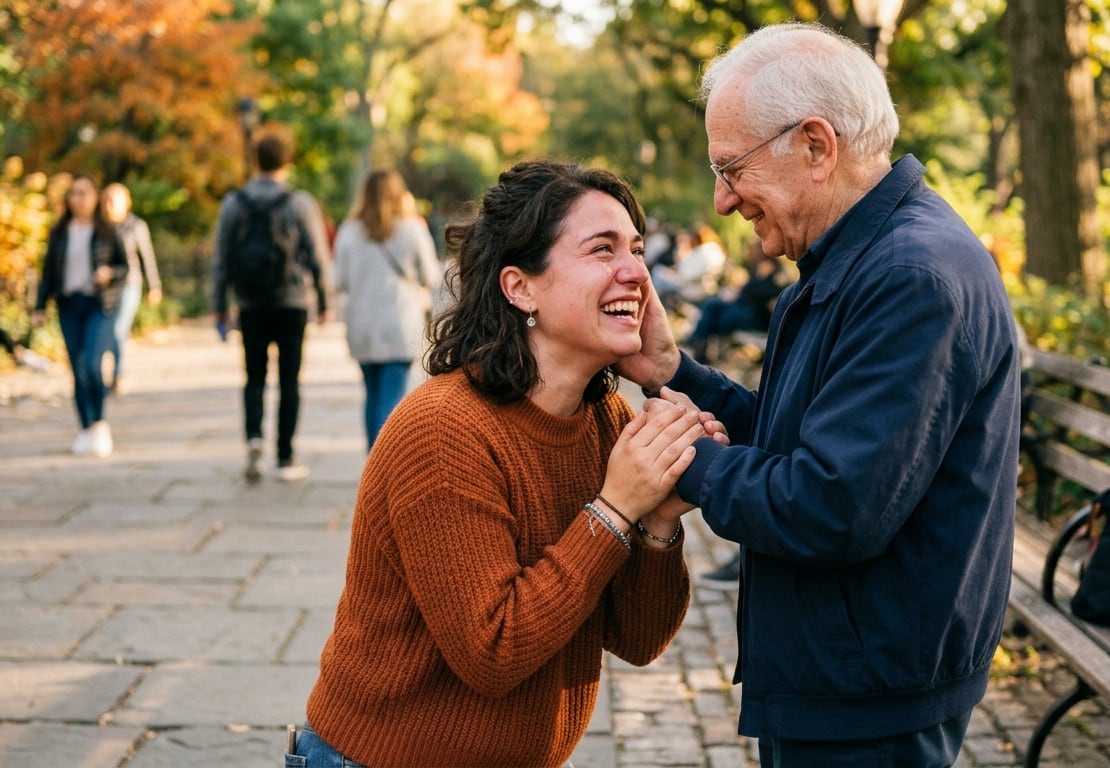
Psychologists suggest that frequently expressing thanks for minor favors may indicate more than just good manners. This behavior is believed to reflect underlying emotional strengths within individuals. While often seen as a sign of politeness, the consistent acknowledgment of small kindnesses can be interpreted as a deeper emotional capacity. This perspective shifts the understanding of excessive gratitude from a simple social convention to a potential indicator of psychological resilience and emotional intelligence. The experts propose that individuals who exhibit this trait may possess a greater ability to recognize and appreciate positive interactions, contributing to their overall emotional well-being.
The psychological interpretation of frequent gratitude for small favors suggests a potential cognitive bias towards positive reinforcement. This behavior might stem from an individual's learned association between expressing thanks and receiving social approval or maintaining positive relationships. From a systems perspective, such individuals may be more attuned to social exchange dynamics, potentially optimizing their interpersonal networks. Understanding this trait could inform interventions aimed at fostering emotional well-being, by recognizing that certain expressions of gratitude might be indicative of robust emotional processing rather than mere social conditioning. Future research could explore the long-term implications of this trait on individual resilience and social integration in an increasingly complex societal landscape.
AI-generated to prompt reflection — not editorial opinion, not advice, not a statement of fact. How this works.