Excessive TV Watching Linked to Brain Changes, Study Suggests
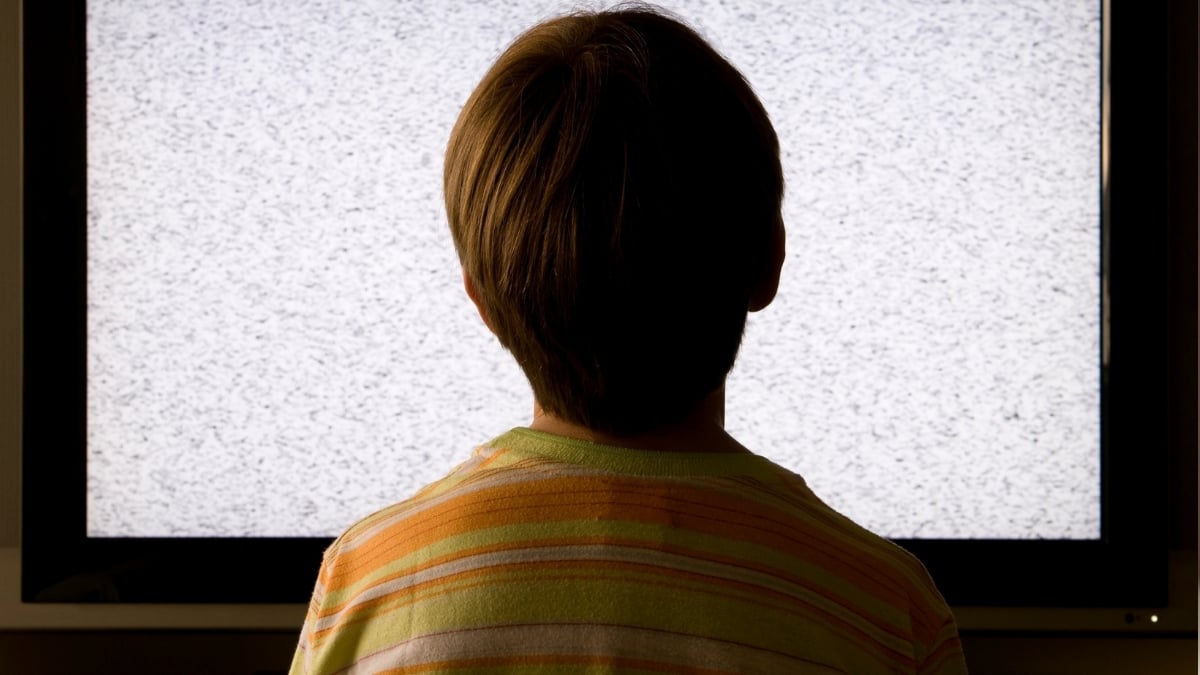
A recent study indicates that prolonged and excessive television viewing may have detrimental effects on brain health. Researchers have found a correlation between high amounts of screen time, particularly watching television, and potential negative alterations in brain structure and function. The findings suggest that the cognitive load and passive nature of binge-watching could contribute to these changes over time.
While the study highlights a potential link, it is important to note that further research is needed to fully understand the mechanisms and long-term consequences. The implications of these findings could be significant for public health recommendations regarding screen time, especially for vulnerable populations. This research adds to a growing body of evidence suggesting that the quantity and quality of our media consumption can impact our neurological well-being.
This study raises important questions about the neurological impact of modern media consumption habits. The findings suggest a potential trade-off between passive entertainment and cognitive health, prompting consideration of how increased screen time, driven by the proliferation of streaming services and on-demand content, interacts with human brain plasticity. Future research could explore the specific types of content and viewing patterns that may be more or less detrimental, and investigate potential interventions or behavioral strategies to mitigate negative effects. Understanding these dynamics is crucial as technology continues to reshape leisure and information access in the coming decade.
AI-generated to prompt reflection — not editorial opinion, not advice, not a statement of fact. How this works.