Exercise Expert: Walking Alone Is Insufficient for Maintaining Strength and Muscle
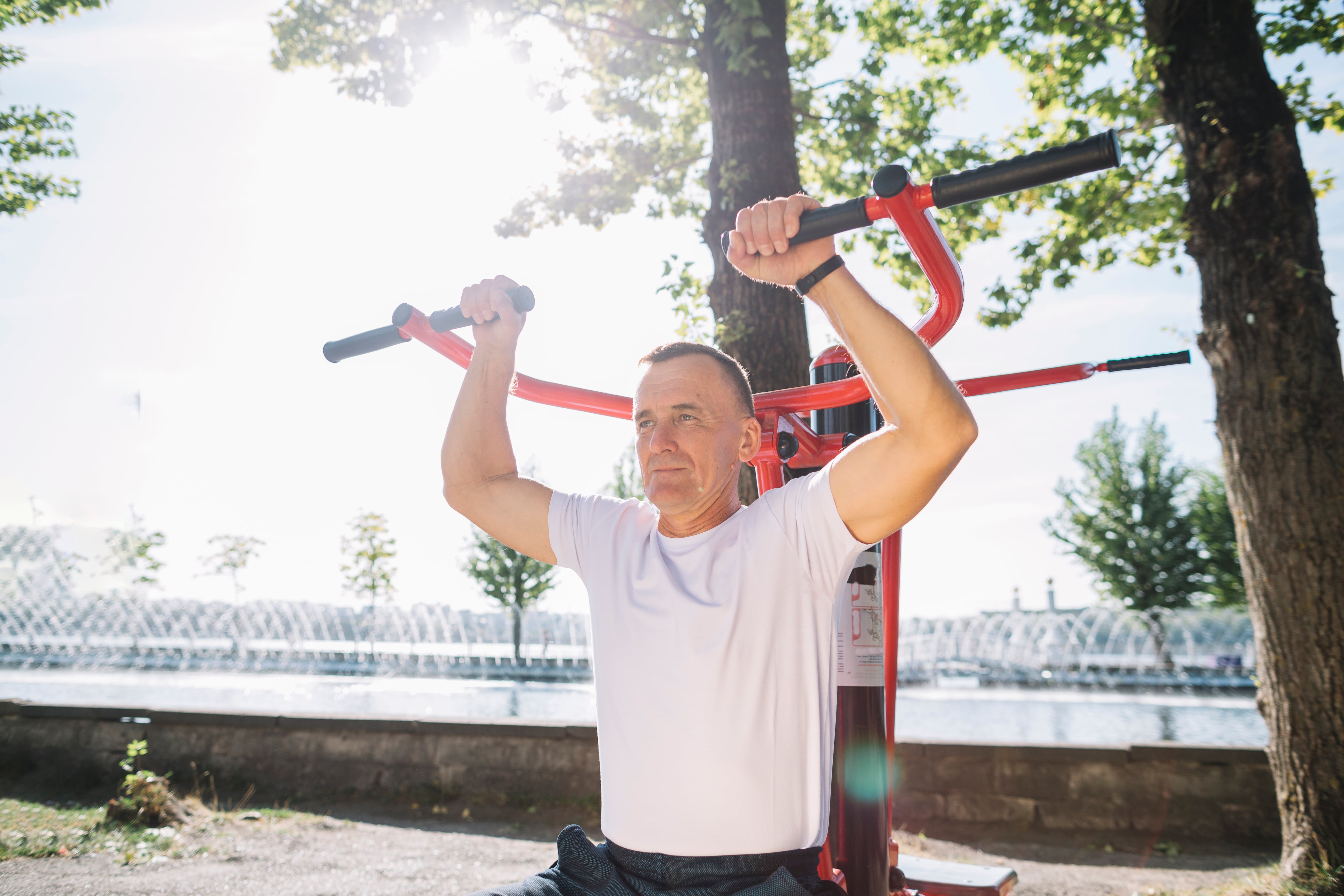
Álvaro Puche, an exercise specialist, has stated that while walking is a healthy habit, it is not enough to preserve strength, muscle mass, and autonomy as people age. He emphasized that the common advice to 'walk at least' is inadequate for achieving these crucial health outcomes. Puche's remarks highlight a potential gap in public health recommendations regarding physical activity for long-term well-being. The specialist's perspective suggests that a more comprehensive approach to exercise is necessary to combat age-related decline. This includes activities that specifically target muscle building and strength maintenance. The implications of his statement point towards a need for clearer guidance on effective exercise strategies for older adults. Without sufficient resistance training and other forms of strength-building activity, individuals may face a faster loss of physical function. Puche's critique serves as a call for a re-evaluation of current fitness advice.
The assertion by exercise specialist Álvaro Puche challenges the widespread public health messaging that prioritizes walking as a primary form of exercise for aging populations. While walking offers cardiovascular benefits and contributes to overall activity levels, its efficacy in preserving muscle mass and strength, critical for maintaining autonomy, appears limited according to Puche. This perspective suggests a potential disconnect between simplified public health directives and the nuanced physiological requirements for healthy aging. Future public health strategies may need to integrate more robust recommendations for strength training and resistance exercises, alongside aerobic activities like walking, to effectively address sarcopenia and functional decline. Understanding the incentive structures that favor simple, widely disseminatable advice versus the complexity of personalized, effective exercise programming is key to optimizing long-term health outcomes.
AI-generated to prompt reflection — not editorial opinion, not advice, not a statement of fact. How this works.