Exercise May Reverse Cancer Treatment's Aging Effects on Immune System, Study Suggests
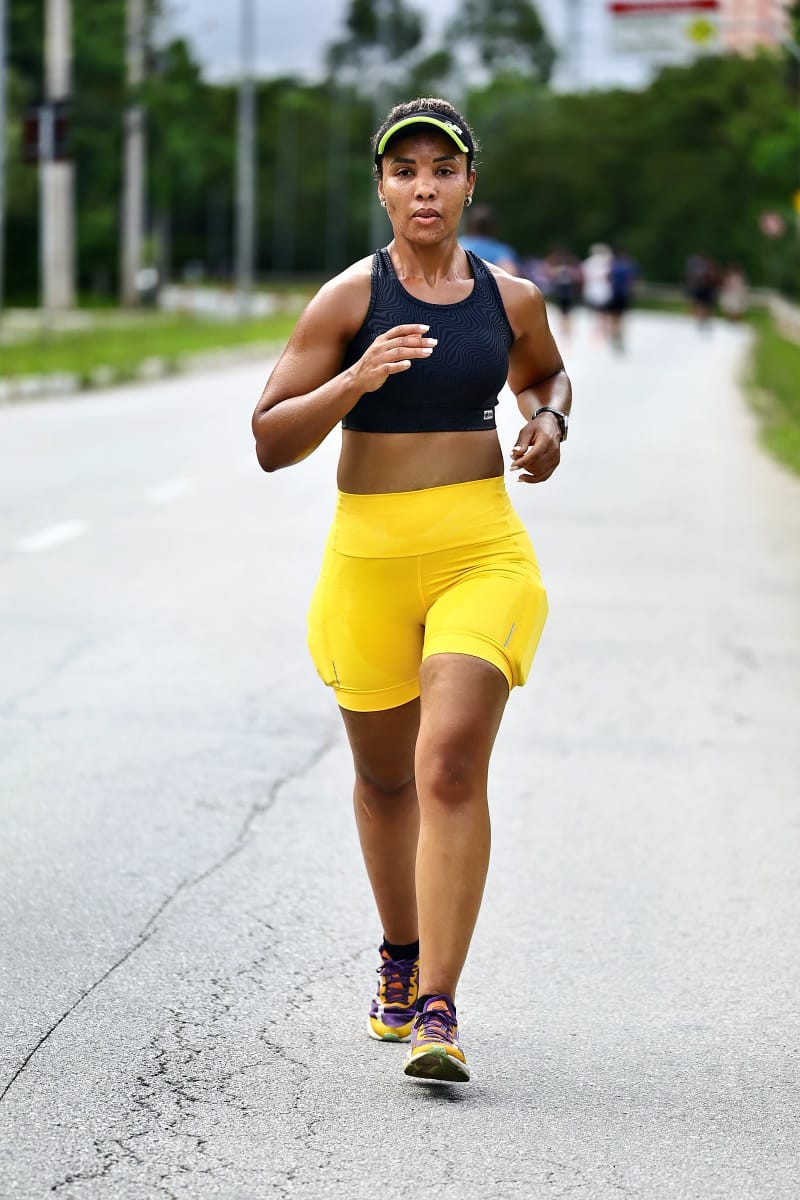
Ana Carolina Godói, diagnosed with aggressive HER2-positive breast cancer at age 32, underwent extensive treatment including chemotherapy, surgery, radiotherapy, and medication. Despite experiencing extreme fatigue and pain, she followed medical advice to engage in physical activity. Initially hesitant, Godói began exercising during her chemotherapy and later incorporated strength training after surgery to regain arm strength. Ten years later, at 42, she is in complete remission, runs half-marathons, and performs push-ups, feeling as though she never had cancer. Her experience inspired her son, who was five at the time of her diagnosis, to become a decathlete. Emerging scientific research is beginning to explain the molecular basis for these benefits. A 2026 study in Cancers, involving eight cancer survivors and eight healthy caregivers, suggests that strength training can not only help regain muscle mass lost during cancer treatment but may also reverse some of the immune system aging caused by the disease and therapy. Researchers from Oregon Health & Science University and the University of Minnesota tracked participants over ten weeks of personalized strength training. They analyzed blood and stool samples to measure gene expression, DNA methylation, and gut microbiota. Survivors initially showed signs of chronic inflammation and a depletion of 'naïve' T-cells, crucial for recognizing new threats, similar to an older immune system. After ten weeks, these inflammatory markers decreased, and immune cell profiles in survivors became statistically indistinguishable from those of the healthy caregivers, indicating a recovery of immune function. The study, though small, provides a compelling proof of concept, suggesting that physical activity should be a formal prescription for cancer patients, not just a recommendation, to aid in full recovery and restore immune capacity.
This research highlights a potential systemic benefit of physical activity in mitigating the long-term physiological consequences of cancer treatment. By focusing on molecular markers like gene expression and immune cell populations, the study moves beyond anecdotal evidence to suggest a biological mechanism for recovery. The findings imply that interventions like strength training could address 'immunosurvivorship' challenges, a growing concern as cancer survival rates increase. Future research could explore optimal exercise protocols and long-term impacts, potentially integrating exercise physiology into standard oncological care pathways. This approach could shift the paradigm from merely treating the disease to comprehensively restoring patient health and resilience in the face of treatment-induced aging.
AI-generated to prompt reflection — not editorial opinion, not advice, not a statement of fact. How this works.