Exhibition Explores 'I Am' and Other Linguistic Games
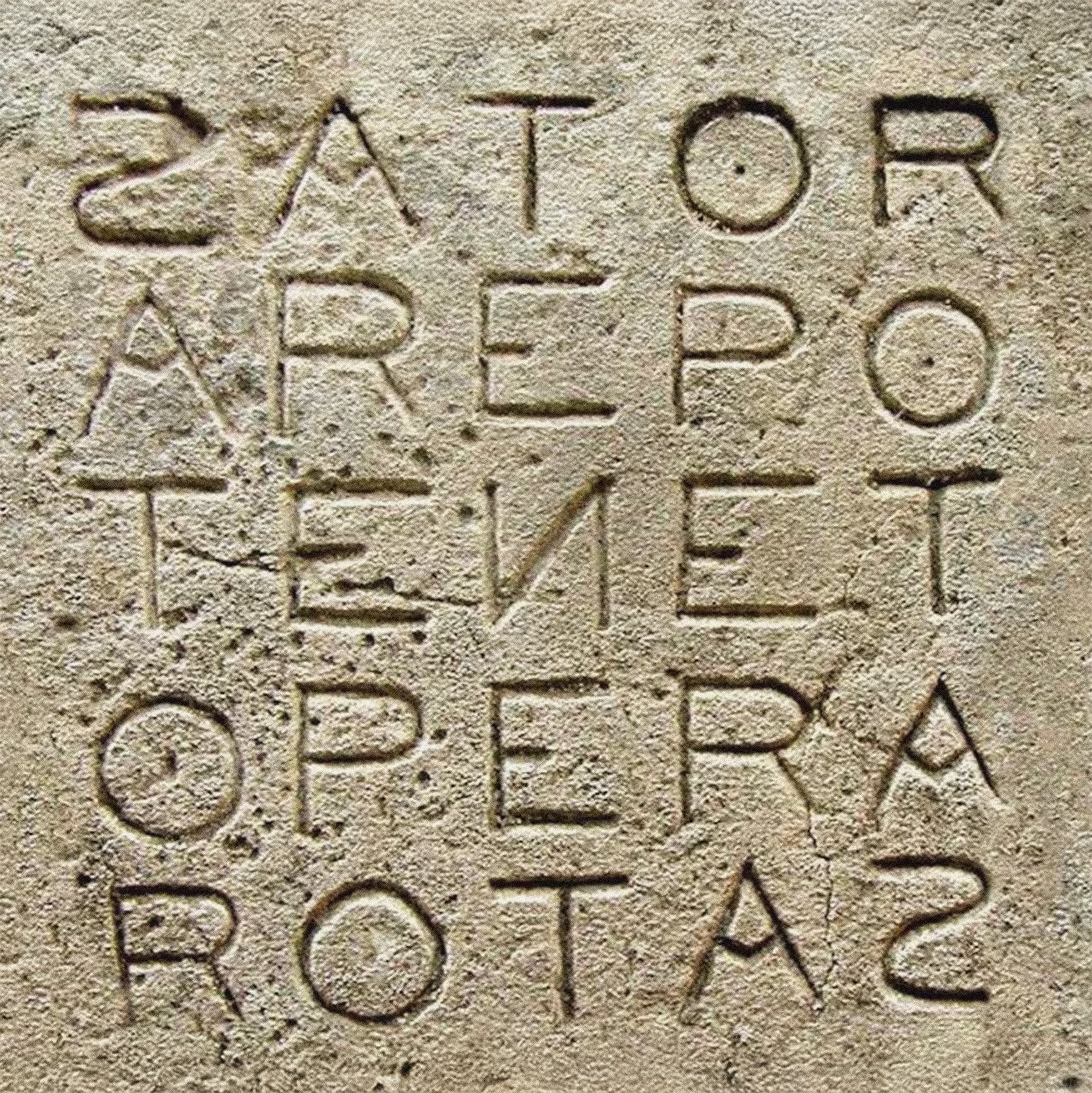
An exhibition titled 'Yo soy' (I Am) at the Museum of Books and Language celebrates the playful and often mysterious nature of language through palindromes, anagrams, and other literary experiments. Curated by artist, writer, and editor Ral Veroni, the show highlights how wordplay, which has historical roots in magic, religion, and revealed truth, has evolved into a contemporary art form known as 'ludolinguistics'. The exhibition features a variety of works, including intervened maps where place names are transformed into anagrams, such as 'República Argentina' becoming 'Gran cita pueblerina' (Great village gathering). It also showcases poems, visual art, and books dedicated to these linguistic puzzles. A documentary by Tomás Lipgot is projected, featuring palindrome enthusiasts who celebrate July 2nd as Palindrome Day and share clever phrases like 'sobornos son robos' (bribes are thefts). The exhibition also includes a reproduction of the Sator Square, an ancient five-word palindrome found in Pompeii, alongside contemporary interpretations. The curator notes that these linguistic experiments, while seemingly useless, hold a unique appeal. The exhibition runs until August 16th and is recommended for adults to experience with children, who are particularly receptive to the magic and humor of word games. Additionally, a talk on linguistic experiments will be held on Saturday, August 15th, at 6:30 PM at the Cultural Recoleta Center.
This exhibition delves into the inherent symmetries and transformations within language, presenting them as a form of artistic and intellectual play. Historically, such linguistic structures were often imbued with mystical or divine significance, reflecting a human tendency to seek deeper meaning and order in symbolic systems. The exhibition's framing of these elements as 'ludolinguistics' suggests a modern reinterpretation, moving from ancient ritual to contemporary artistic exploration. The Sator Square example, originating from Pompeii, illustrates the enduring nature of these patterns across millennia. By showcasing these word games, the exhibition implicitly invites reflection on the arbitrary yet powerful nature of language itself, and how its structures can be manipulated for aesthetic, humorous, or even profound effect, prompting consideration of language's dual role as a tool for communication and a source of creative fascination.
AI-generated to prompt reflection — not editorial opinion, not advice, not a statement of fact. How this works.
