Exhibition on Hokkaido Painter Kinjiro Kida and Railways Held in His Hometown
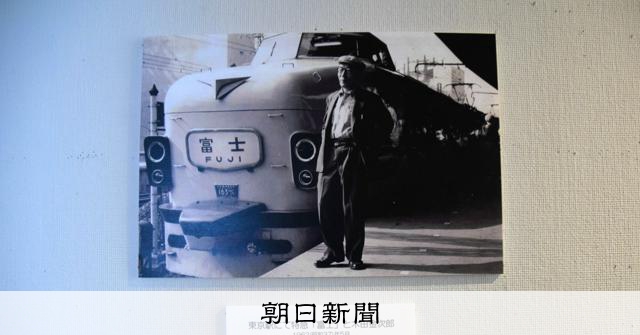
An exhibition focusing on the Western-style painter Kinjiro Kida, a native of Hokkaido, and his connection to railways is currently underway in his hometown. The event explores the intersection of Kida's artistic career and the development of railways in the region. Visitors can view works that reflect Kida's unique perspective on Hokkaido's landscapes and the impact of modernization. The exhibition aims to shed light on how the railway system influenced not only the physical transformation of Hokkaido but also its cultural and artistic expressions. Kida, known for his distinctive style, captured the essence of the northern Japanese island. The exhibition provides a comprehensive look at his artistic journey and his relationship with the expanding railway network. It is a significant cultural event for the local community, celebrating a prominent artist and a key element of the region's history. The exhibition is ongoing and offers a unique opportunity to appreciate Kida's art within its historical context.
This exhibition highlights the intersection of art and infrastructure development, specifically the influence of railways on the creative output of Hokkaido-born artist Kinjiro Kida. By exploring this connection, the event prompts reflection on how technological advancements and societal changes can shape artistic expression and regional identity. The exhibition's focus on Kida's hometown suggests a deliberate effort to connect local heritage with broader historical narratives. In the context of the next decade, understanding how infrastructure projects historically influenced culture and individual artists can provide valuable insights into the potential impacts of future large-scale developments, such as digital infrastructure or renewable energy projects, on society and creativity. It encourages a systemic view of how environmental and technological shifts are mirrored in cultural production.
AI-generated to prompt reflection — not editorial opinion, not advice, not a statement of fact. How this works.