Exoplanets Smaller Than Mars May Not Support Life, Scientists Suggest
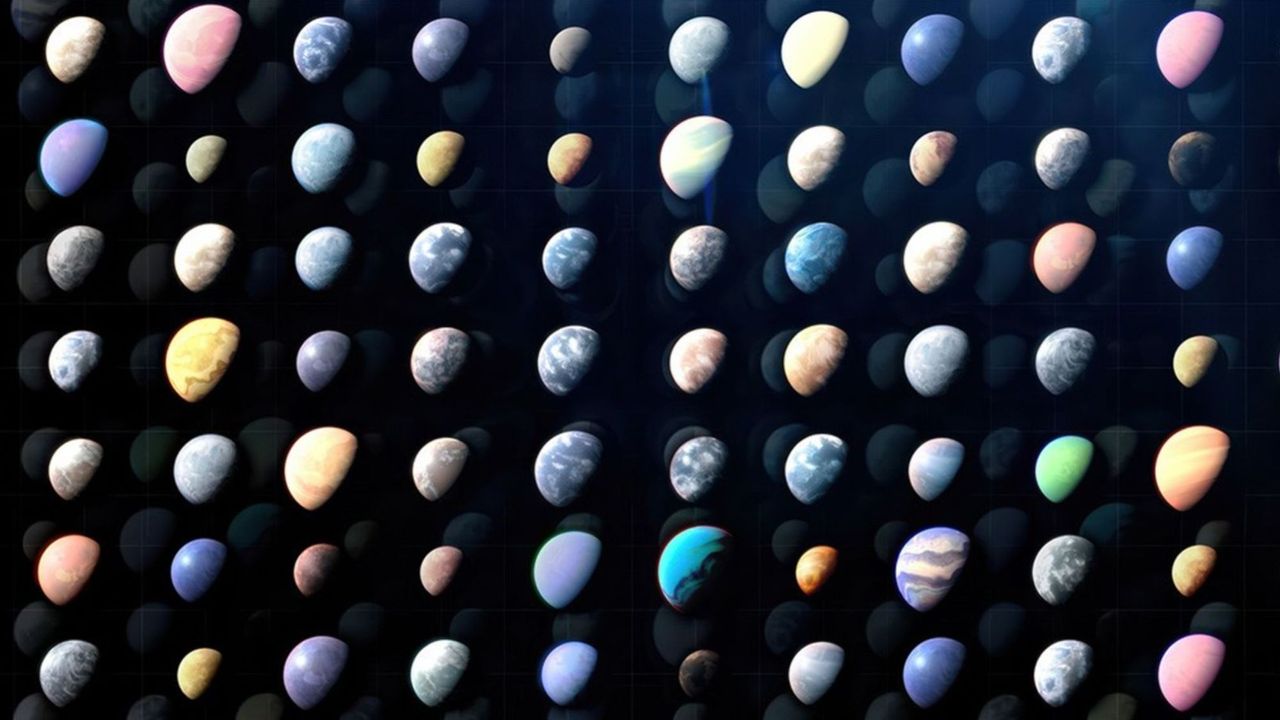
Scientists have determined that exoplanets significantly smaller than Mars are unlikely to retain an atmosphere long enough for life to develop. For a planet to have a viable chance of supporting life, it appears to need a minimum size comparable to Mars. This finding is crucial for understanding the conditions necessary for habitability beyond our solar system. The research focuses on the atmospheric retention capabilities of smaller celestial bodies. Without sufficient atmospheric pressure and duration, the complex chemical processes required for life's emergence cannot occur. Therefore, future searches for extraterrestrial life may need to prioritize planets of a certain mass threshold. This geological and atmospheric constraint significantly narrows the search parameters for potentially habitable worlds. The implications extend to our understanding of planetary formation and evolution across the galaxy. It suggests a more specific set of criteria for identifying Earth-like planets.
This scientific assertion suggests a critical planetary size threshold for atmospheric stability, a key factor in habitability. By focusing on the minimum mass required to retain an atmosphere, researchers are refining the search for extraterrestrial life. This perspective highlights the interplay between planetary mass, gravity, and atmospheric longevity, influencing the potential for life's emergence. The analysis implies that future exoplanet characterization missions should prioritize detecting planets above a certain mass to maximize the chances of finding environments conducive to life. This approach aligns with a systems-thinking view of astrobiology, where multiple interdependent factors must align for life to arise and persist.
AI-generated to prompt reflection — not editorial opinion, not advice, not a statement of fact. How this works.