Exotic Mata Mata Turtle Rescued from Acre Highway
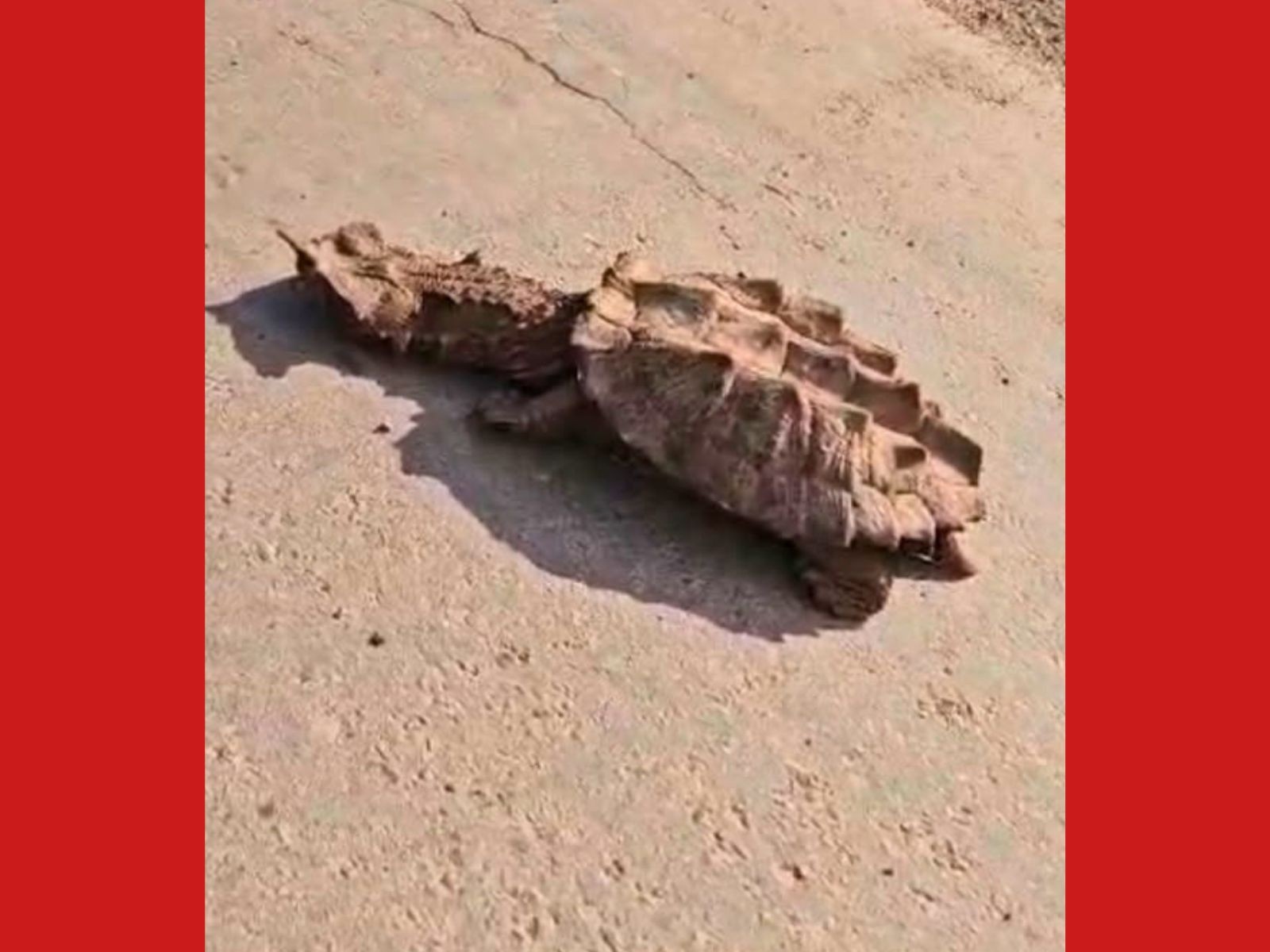
Larissa Cristina Telocken, a 32-year-old farmer from Acre, Brazil, encountered an unusual Mata Mata turtle (Chelus fimbriatus) crossing the BR-317 highway in Sena Madureira. Initially mistaking the exotic-looking reptile for a jabuti, she noticed its distinctive, pointed shell. The unusual sighting occurred on June 23rd as she was traveling to Rio Branco with her husband. The video of the encounter, which has garnered nearly 50,000 views online, shows Larissa's surprise at the animal's appearance. Her husband used a branch to gently guide the turtle away from the road towards a nearby stream. Despite another vehicle passing by without stopping, the couple decided to intervene to prevent the turtle from being hit by a car. Larissa, accustomed to seeing wildlife in her rural area, described this encounter as a unique experience, noting the many questions her social media post generated about the species. According to biologist Moisés Barbosa de Souza from the Federal University of Acre, the Mata Mata is a freshwater turtle native to the Amazon, posing no threat to humans. Its unusual appearance, resembling a piece of wood, aids in camouflage for hunting and predator evasion. The turtle was likely crossing the highway between two bodies of water, as it typically inhabits shallow, still waters like igarapés and rivers. The Mata Mata primarily feeds on fish, using a suction technique to capture its prey, and its reproductive season runs from June to October, with females laying between 12 and over 30 eggs. Experts advise returning any found turtles to a nearby aquatic environment.
The incident highlights the intersection of human infrastructure and wildlife habitats in the Amazon region. The farmer's actions demonstrate a commendable instinct to protect an unfamiliar animal, underscoring the need for public awareness regarding local fauna and safe wildlife interaction protocols. The Mata Mata's presence on a highway suggests habitat fragmentation, a growing concern in developing regions where road construction can disrupt natural corridors. Future planning for transportation networks in biodiversity hotspots should integrate ecological impact assessments to mitigate such occurrences and preserve species' movement patterns, particularly for animals with specialized habitat requirements. This event serves as a reminder of the ongoing challenges in balancing development with conservation efforts in ecologically sensitive areas.
AI-generated to prompt reflection — not editorial opinion, not advice, not a statement of fact. How this works.