Expanded World Cup Sees Europe Continue Quarter-Final Dominance
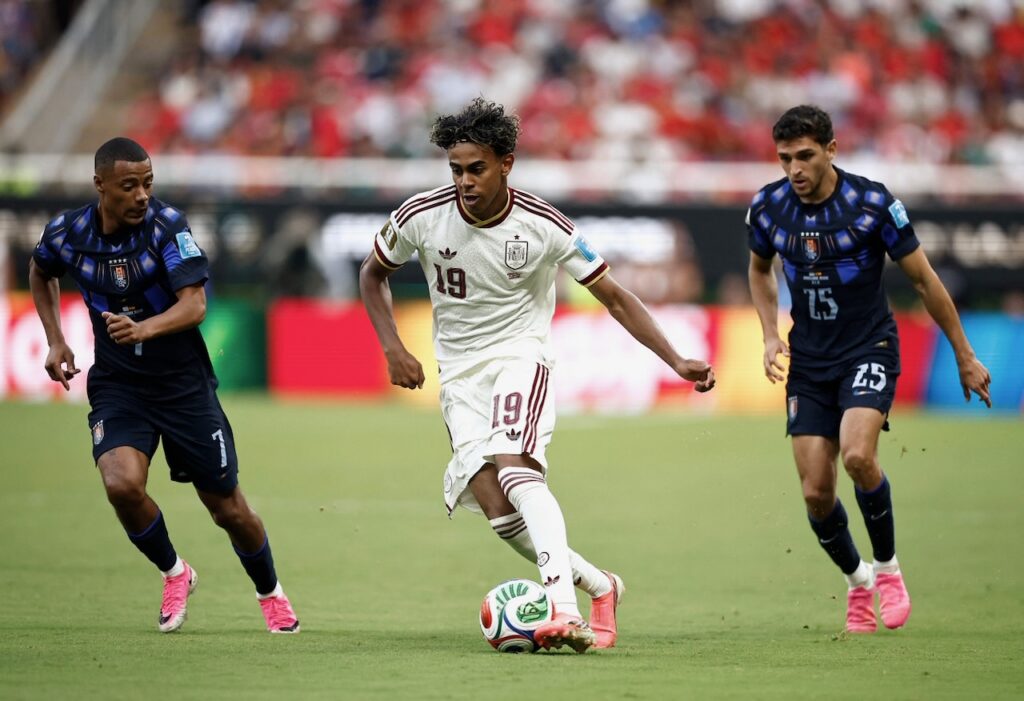
Despite the World Cup's expansion to 48 teams, which was intended to provide greater opportunities for underrepresented continents, the quarter-final stage presents a familiar outcome. Six of the eight teams advancing to the quarter-finals are from Europe, highlighting a continued trend of European dominance in the tournament. The only non-European teams to reach this stage are Lionel Messi's Argentina, the current reigning champions. This outcome suggests that while the tournament format has changed to include more nations, the competitive balance at the highest level remains largely unchanged, with European teams continuing to perform strongly.
The expansion of the World Cup to 48 teams was designed to foster greater global inclusivity and provide more competitive opportunities for nations outside traditional powerhouses. However, the persistent dominance of European teams in the quarter-finals suggests that structural factors, such as investment in youth development, coaching infrastructure, and professional leagues, continue to create a significant competitive advantage. This outcome prompts a consideration of whether mere expansion of participation is sufficient to alter long-term performance disparities, or if deeper, systemic interventions are required to level the playing field over the next decade. Future discussions may focus on the sustainability of such disparities and potential strategies to promote more equitable global footballing development.
AI-generated to prompt reflection — not editorial opinion, not advice, not a statement of fact. How this works.