Expanding 'Male Quotas' in University Admissions for Home Economics and Nursing Programs
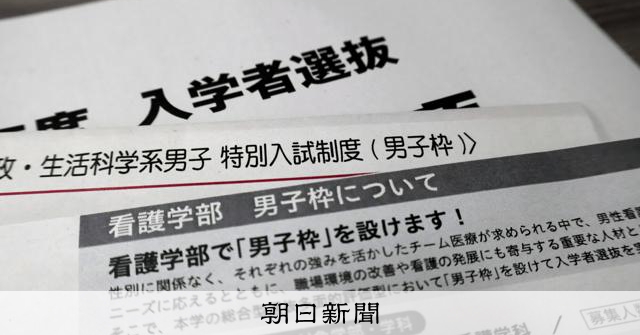
Japanese universities are increasingly considering or implementing "male quota" admissions systems, particularly for departments traditionally dominated by female students, such as home economics and nursing. This initiative aims to encourage more male students to apply to these fields, which often face a shortage of male applicants. The goal is to promote gender diversity within these professions and address societal perceptions that may discourage men from pursuing careers in areas like childcare, nursing, or culinary arts. Several institutions are reportedly exploring or have already introduced such measures to balance their student demographics. This approach seeks to create a more inclusive educational environment and prepare graduates for a wider range of career paths. The discussion around these quotas highlights a broader conversation about gender representation in higher education and the workforce in Japan. Proponents argue it's a necessary step to break down traditional gender stereotypes in career choices. Critics, however, raise concerns about fairness and potential reverse discrimination.
The introduction of 'male quota' admissions in traditionally female-dominated fields like nursing and home economics reflects a strategic response to demographic shifts and persistent gender stereotypes in career choices. By creating specific entry points for male students, institutions aim to address underrepresentation and foster greater gender balance in professions that are vital to societal well-being. This approach, while potentially effective in the short term for increasing male enrollment, raises questions about long-term systemic change versus temporary measures. It invites consideration of whether such quotas address the root causes of gendered career paths, such as early educational influences and societal expectations. Looking ahead, the success of these initiatives will likely depend on their ability to integrate into broader efforts promoting gender equity and challenging traditional occupational segregation, rather than solely relying on enrollment targets. The underlying incentive structures for both students and institutions warrant examination to ensure sustainable progress toward a more gender-neutral professional landscape.
AI-generated to prompt reflection — not editorial opinion, not advice, not a statement of fact. How this works.
