Expatriate's Reflections on Returning Home: Health, Comfort, and Connections
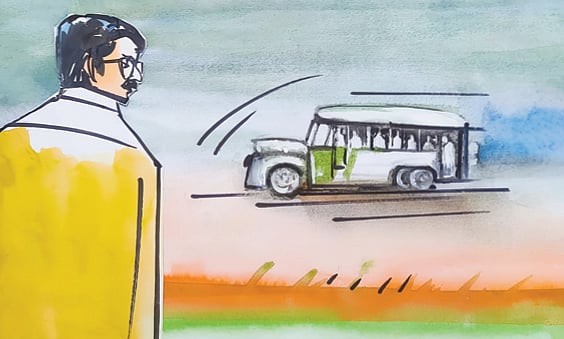
The author recounts a challenging return to Bangladesh after a long absence, experiencing unexpected health issues. Shortly after arriving, they felt unwell, initially attributing it to the climate. A severe episode of chest tightness and difficulty breathing led them to seek emergency care at Suhrawardy Hospital. Although the emergency doctor performed various tests, including an ECG, and suggested a pre-existing heart condition, the author felt this diagnosis was incorrect. They also noted the doctor's subtle encouragement to seek private consultation, contrasting with their generally positive experiences with public hospitals. The author misses the unique comfort of head massages offered at local salons, a practice learned from a deceased friend. However, they find this service increasingly difficult to access, as many salons now use machines or refuse the traditional method, citing fears of absorbing clients' ailments. Social connections also prove challenging; childhood and adult friends are busy, and new friendships are difficult to form due to a perceived sense of superficiality. A meeting with a political leader highlights the transactional nature of some relationships, where expatriate status garners attention due to perceived financial capacity. The author offers the leader a cynical piece of advice on managing visitors post-surgery, emphasizing the ephemeral nature of such social obligations. The piece concludes with the leader's humorous invitation for the author to stay in Bangladesh, underscoring the complex and often ironic dynamics of returning home.
This narrative offers a poignant look at the expatriate experience, highlighting the dissonance between idealized memories of home and the realities of return. The author's health concerns, the elusive comfort of traditional services, and the erosion of social bonds reveal systemic shifts in Bangladeshi society. The interaction with the political figure underscores the persistent influence of patronage and the commodification of social interactions, where perceived wealth dictates access. From a futurist perspective, these experiences reflect broader global trends of urbanization, the professionalization of services, and the increasing transactional nature of human relationships, potentially leading to greater social isolation despite increased connectivity. The author's reflections prompt consideration of how societies adapt to diaspora, the preservation of cultural practices, and the evolving definition of community in a globalized era.
AI-generated to prompt reflection — not editorial opinion, not advice, not a statement of fact. How this works.
