Expatriate Votes Boosted Far-Right Wins in Peru and Colombia Presidential Elections
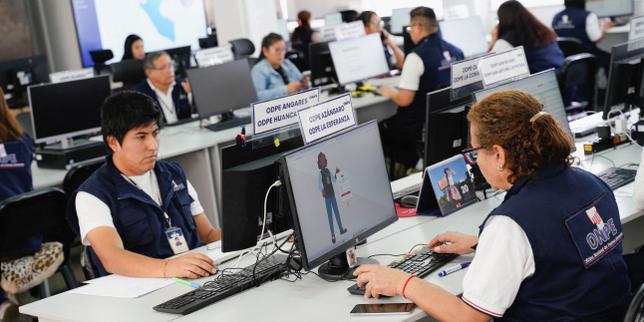
Overseas Peruvian voters played a crucial role in the election of Keiko Fujimori, who was otherwise a minority choice among residents within Peru. While not the sole deciding factor, expatriate Colombians also showed a strong preference for Abelardo de la Espriella. The influence of citizens living abroad appears to have significantly impacted the outcomes of these presidential races, tipping the scales in favor of specific candidates, particularly those associated with the far-right. This trend highlights the growing importance of diaspora voting in shaping national political landscapes. The specific voting patterns of expatriates in both Peru and Colombia suggest a distinct political inclination compared to their domestic counterparts. Further analysis of these expatriate blocs could reveal key demographic or ideological drivers behind their choices. The results underscore the need for political parties to engage with and understand the perspectives of their overseas populations.
The electoral outcomes in Peru and Colombia suggest that expatriate voting blocs can exert considerable influence, potentially altering election results when domestic support is divided. This phenomenon warrants examination of the factors driving these diaspora preferences, which may differ from those of residents. Understanding these divergences is crucial for comprehending evolving political dynamics and for political actors seeking to build broader coalitions. The trend also raises questions about representation and the extent to which elected officials reflect the will of the entire electorate, including those living abroad. Future political strategies may need to more effectively incorporate and engage with overseas citizens.
AI-generated to prompt reflection — not editorial opinion, not advice, not a statement of fact. How this works.