Expedition brings medical care and surgeries to Sateré-Mawé people in Amazonas
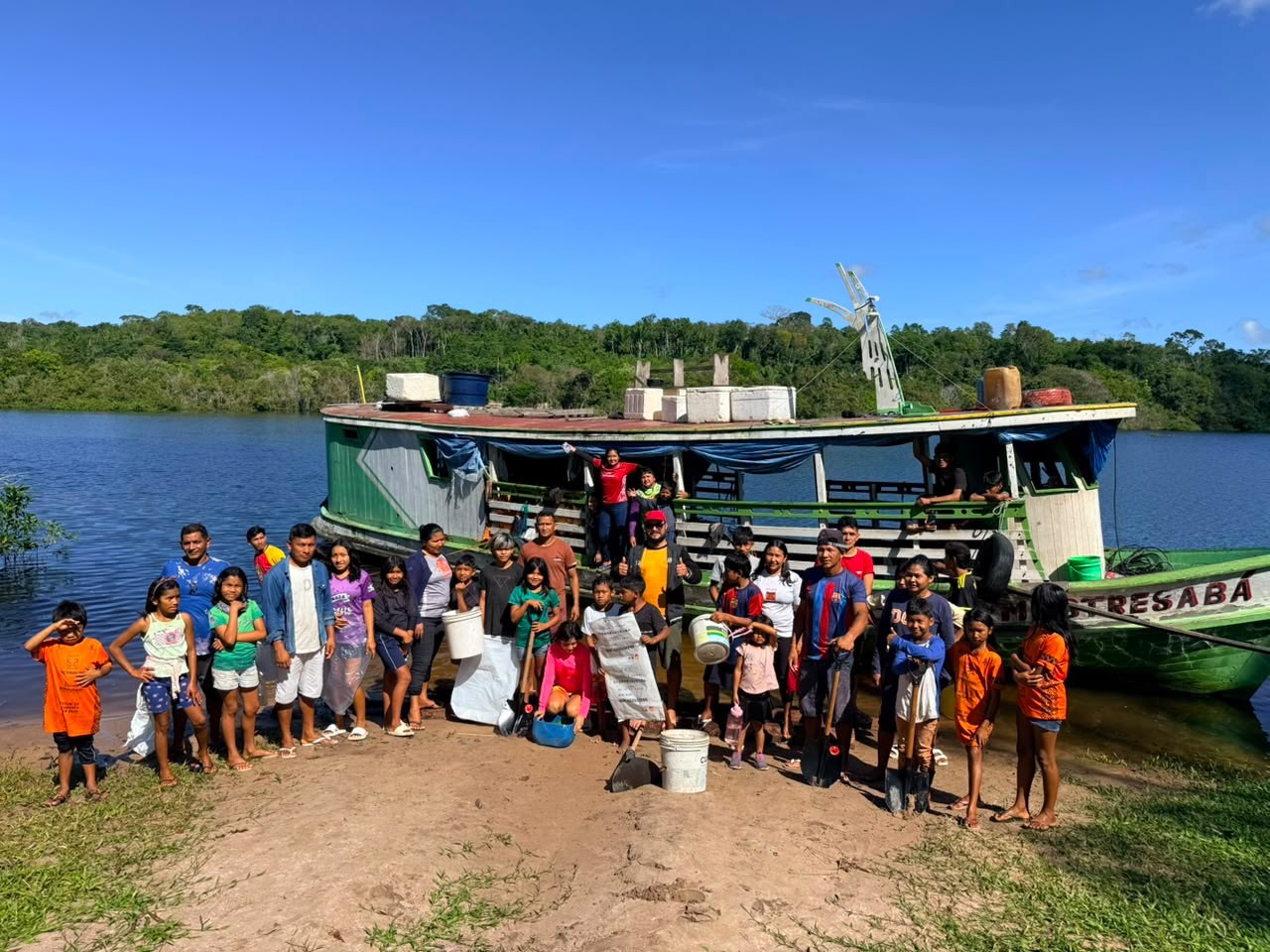
The volunteer organization Expedicionários da Saúde (EDS) is launching its 58th expedition on July 24th, bringing medical, dental, and surgical services to the Sateré-Mawé indigenous people in the Amazon.
The week-long health mission will take place in the Andirá Marau Indigenous Land, straddling the states of Amazonas and Pará, with a focus on the Ilha Michiles region. The Sateré-Mawé, known for their tucandeira ritual and guaraná production, are the majority population in the area. Services will cater to both adults and children, including ophthalmological surgeries for conditions like cataracts and pterygium, general ultrasounds, laboratory tests, and specialized gynecological consultations.
Dental care will encompass evaluations, cleanings, hygiene education, minor oral surgeries, and specialized care for patients with special needs in a mobile surgical center. This marks the first time in a decade that EDS has returned to this specific region for surgical procedures, with the last visit in 2016 resulting in 1,800 medical consultations and nearly 5,000 exams. The organization, in its 23 years of operation, has conducted 57 expeditions, performing over 10,000 surgeries, 70,000 consultations, and 126,000 exams across the Amazon. The current expedition is supported by the Special Indigenous Health Secretariat (Sesai), the Dsei Parintins, local partners, and the community itself, which is assisting in preparing the facilities. Some of the infrastructure improvements made for this mission will remain permanently for the Ilha Michiles community.
This expedition addresses critical healthcare access gaps for indigenous communities in remote Amazonian regions, particularly for specialized surgical procedures often unavailable locally. The initiative highlights the persistent challenge of delivering essential services to isolated populations, underscoring the importance of sustained partnerships between NGOs, government health bodies, and local communities. While the direct medical benefits are significant, the long-term impact on community health infrastructure and the potential for knowledge transfer warrant further observation. Future initiatives could explore more integrated models that empower local healthcare capacity, thereby reducing reliance on periodic external interventions and fostering greater health equity in the face of evolving environmental and social pressures.
AI-generated to prompt reflection — not editorial opinion, not advice, not a statement of fact. How this works.