Experience Monsoon Beauty: Must-Visit Places in Barisal, Bangladesh
Barisal, a region historically known as Chandradwip, is particularly captivating during the monsoon season due to its intricate network of rivers, canals, and lakes. This ancient land, which became Bakerganj district under British rule in 1797 and later established its headquarters in Barisal in 1801, is a significant historical site in Bangladesh. It is also the birthplace and cherished home of the beloved poet Jibanananda Das and the residence of Sher-e-Bangla A.K. Fazlul Huq.
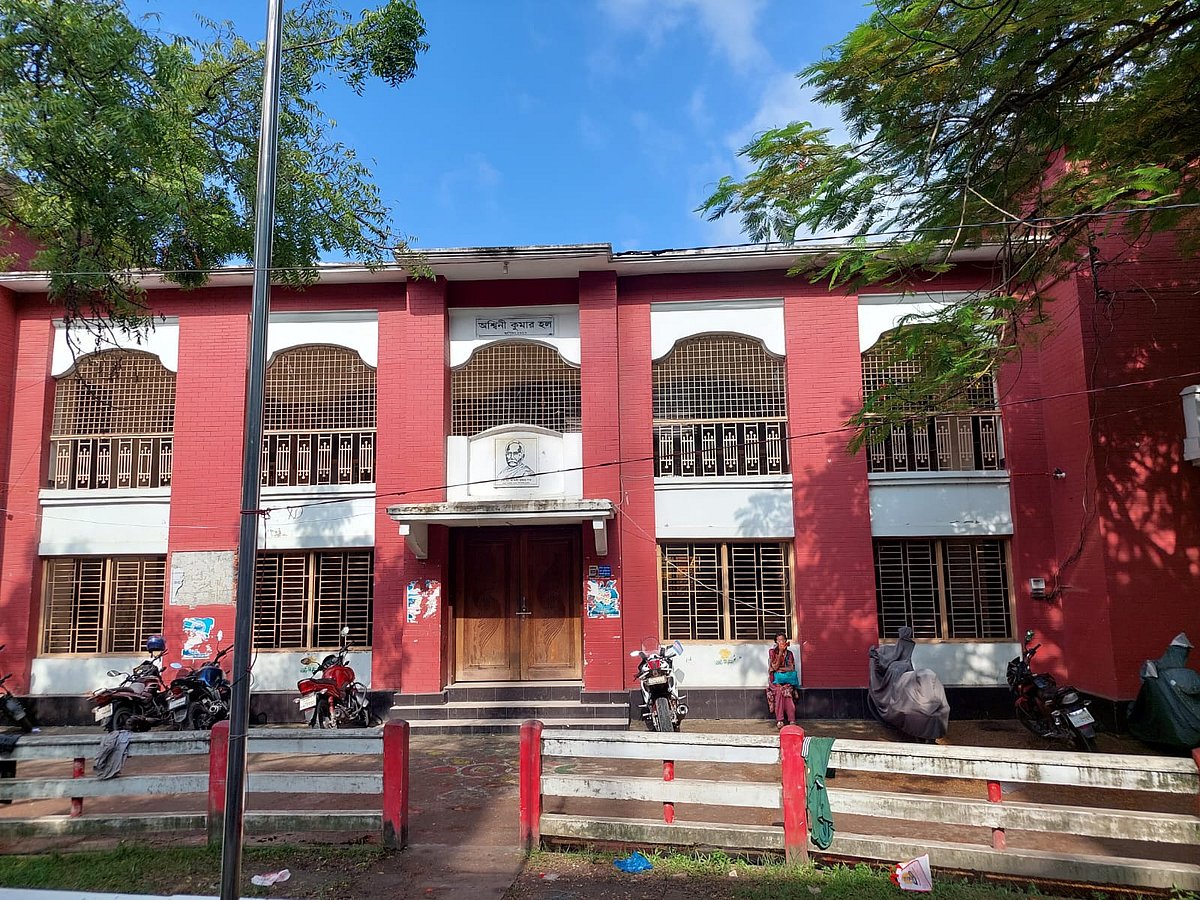
Key attractions include the century-old Ashwini Kumar Town Hall, a red brick structure named after the prominent educationist Ashwini Kumar Datta, which is currently undergoing renovation. Bibir Pukur, a historic pond dug in 1908 by Jinnat Bibi to alleviate water shortages, is now a popular gathering spot. Thirty Godown, a former Pakistani military and torture camp on the Kirtankhola River bank during the 1971 Liberation War, has been transformed into a memorial with a monument honoring the thousands of Bengalis killed there. The 113-year-old Oxford Mission Church, believed to be Asia's second-largest church, is a stunning example of Greek architecture, featuring terracotta bricks and a cross from Bethlehem. St. Peter's Cathedral, another elegant white structure, dates back to 1864.
Other notable sites include Mukunda Das's Kalibari, a century-old temple established by the patriotic poet Mukunda Das. The historic Brajamohan College (BM College), founded in 1889 by Ashwini Kumar Datta, was once affiliated with the University of Calcutta and renowned across both Bengals. Durgasagar Dighi, a vast lake dug in 1780 by Rani Durgabati, offers scenic views and is a habitat for migratory birds in winter. Satla Bill, located in Wazirpur, transforms into a breathtaking spectacle of water lilies and lotuses during the peak monsoon. Finally, the floating guava market in Bhimruli, Jhalokathi, offers a vibrant morning experience with vendors selling fruits and vegetables from their boats along picturesque waterways.
The article highlights Barisal's rich cultural and historical tapestry, emphasizing its natural beauty, particularly during the monsoon. It presents a curated list of attractions, framing them as essential experiences for visitors seeking to appreciate the region's unique charm. This narrative approach, while informative, implicitly encourages tourism by focusing on aesthetic and emotional appeal. Future development could explore sustainable tourism models that balance visitor engagement with the preservation of these historical and ecological sites, ensuring long-term benefits for the local community and environment. The article also touches upon the historical significance of sites like Thirty Godown, underscoring the importance of remembering and learning from past events.
AI-generated to prompt reflection — not editorial opinion, not advice, not a statement of fact. How this works.