Experienced Diver, 31, Drowns in Tocantins River After Final Dive
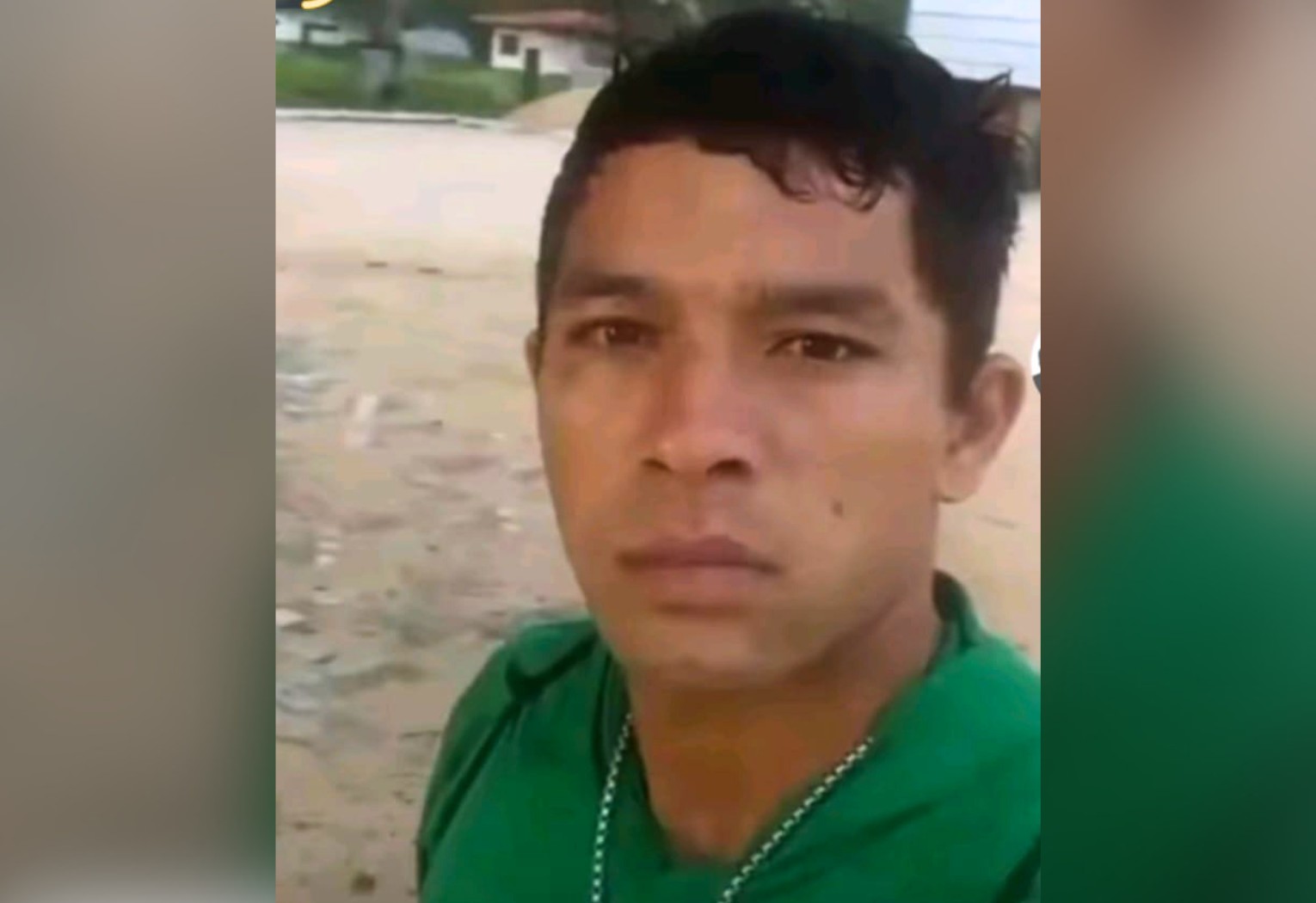
Luiz Abreu dos Reis, a 31-year-old man with specialized diving training, drowned in the Tocantins River in Pedro Afonso, Tocantins, Brazil, on Friday, August 31st. His body was recovered on Saturday, September 1st, with the assistance of friends. According to his father, Antônio Pereira, Luiz was an experienced diver, familiar with the river, and had even completed a firefighter's course. The family was gathered by the river for leisure when Luiz decided to take one last dive before they left. He reportedly could hold his breath for up to two minutes. His father expressed shock, stating that Luiz knew the river intimately and no one understands how he failed to resurface. Luiz worked at a motorcycle repair shop and was a well-known figure in the community. Search efforts were hampered by darkness and low visibility, but his body was found around 1:30 PM on Saturday near the diving site. Friends familiar with the area aided rescue teams. The body was sent to the Legal Medical Institute (IML) in Paraíso do Tocantins for autopsy and was later released to the family. His wake was held on Sunday, September 2nd, in Pedro Afonso. The Civil Police will investigate the incident.
The tragic drowning of Luiz Abreu dos Reis highlights the inherent risks associated with water activities, even for individuals with apparent expertise. While the narrative emphasizes his skill and familiarity with the Tocantins River, the incident underscores that environmental conditions and unforeseen circumstances can override human preparation. Investigations into such events often focus on immediate causes, but a broader systemic perspective might consider public safety measures around popular recreational waterways, including signage, lifeguard presence, or educational campaigns on water safety, particularly for areas with strong currents or known hazards. The focus on his experience, while perhaps intended to convey the unexpected nature of the tragedy, may inadvertently obscure the need for continuous risk assessment and adherence to safety protocols, regardless of an individual's perceived mastery.
AI-generated to prompt reflection — not editorial opinion, not advice, not a statement of fact. How this works.
