Experimental Aircraft Crashes in Brazil, Killing Pilot
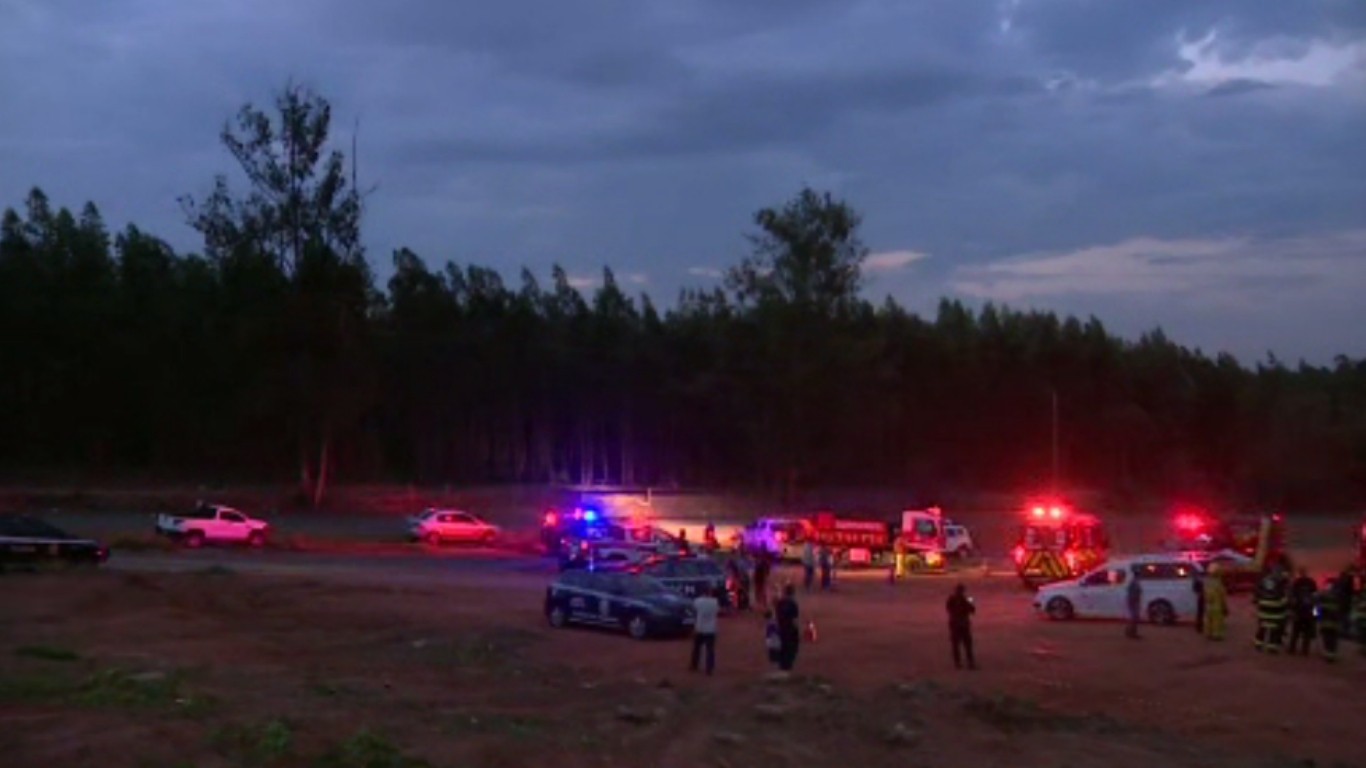
An ultralight Conquest model aircraft, manufactured in 2004 by Donald Stipanich, crashed and caught fire on Wednesday afternoon in Mogi Mirim, São Paulo, Brazil. The pilot, 25-year-old Leonardo Bezerra Pinheiro, who was the safety manager for the Sport Pilot aviation school, died in the accident. According to the National Civil Aviation Agency (Anac), the aircraft was classified as 'experimental,' specifically of amateur construction. Such aircraft are permitted to fly only during daylight hours and cannot be used for commercial operations, air services, or instruction flights. Anac states that amateur-built experimental aircraft do not need to meet technical airworthiness requirements; the builder assumes the risk for the flight, with Anac only verifying administrative criteria. The aircraft held a Certificate of Experimental Flight Authorization (Cave) and was operated by Sport Pilot, which purchased it on March 23, 2026. The two-seat plane could carry up to 650 kilograms. A pilot trainer suggested that lighter aircraft like this are more susceptible to weather conditions, noting that Mogi Mirim experienced wind gusts of up to 60.5 km/h around the time of the crash. The owner of Sport Pilot, Gerson Martinez, indicated that the pilot had added slightly more fuel than usual for a local flight, and after takeoff, appeared to lose control. The Brazilian Air Force's Aeronautical Accidents Investigation and Prevention Center (Cenipa) is investigating the incident.
The crash of an experimental, amateur-built aircraft highlights the inherent risks associated with non-certified aviation. While such aircraft offer unique opportunities for aviation enthusiasts, their operational limitations and the assumption of risk by the builder and pilot are critical factors. The incident underscores the importance of understanding the specific regulatory framework for experimental aircraft, which prioritizes administrative compliance over rigorous technical airworthiness standards. The potential contribution of weather conditions, particularly wind gusts, to the loss of control in a lighter, more susceptible aircraft, warrants careful consideration within the ongoing investigation. This event prompts reflection on the balance between fostering aviation innovation and ensuring public safety, especially as such aircraft may be increasingly utilized for recreational purposes.
AI-generated to prompt reflection — not editorial opinion, not advice, not a statement of fact. How this works.