Experimental Drug Halts Pancreatic Cancer Cell Spread in Laboratory Studies
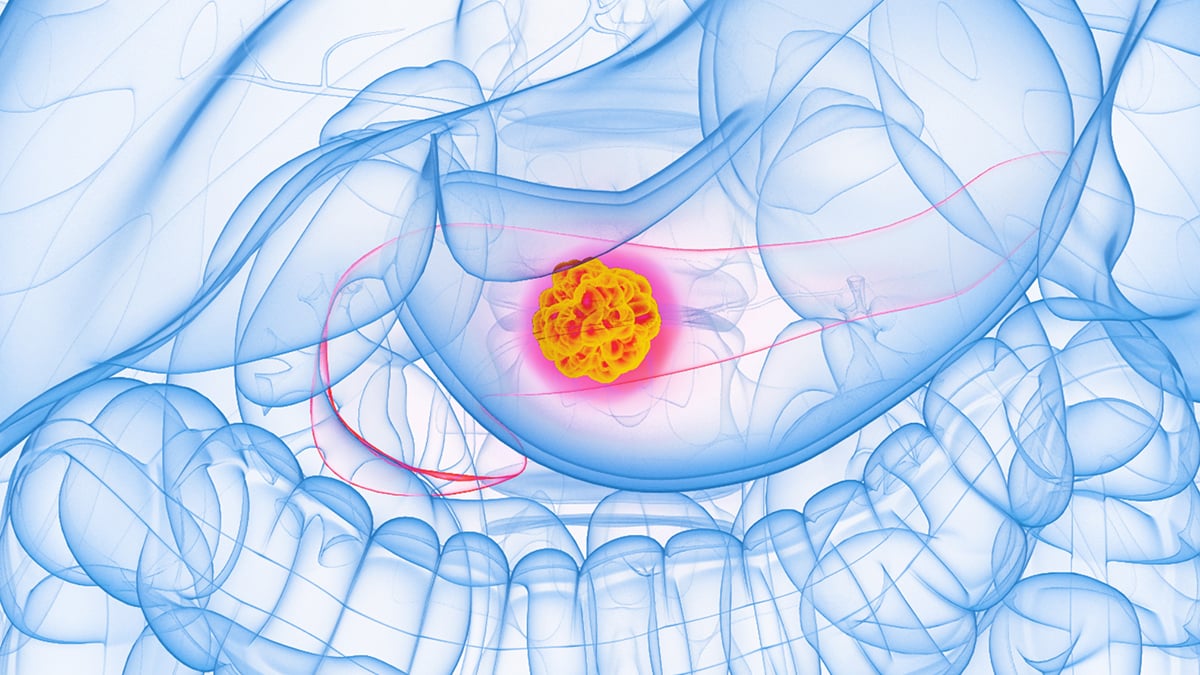
An experimental drug has demonstrated a remarkable ability to stop the spread of pancreatic cancer cells in laboratory tests, achieving a 90% success rate. The drug operates through an unconventional mechanism, surprising researchers with its efficacy. This breakthrough offers a potential new avenue for treating pancreatic cancer, a disease notoriously difficult to manage due to its aggressive nature and late diagnosis. Further research and clinical trials will be necessary to determine if these promising lab results can be translated into a viable treatment for patients. The development highlights ongoing efforts in the scientific community to find innovative solutions for challenging medical conditions. Scientists are encouraged by the drug's unique mode of action, which could lead to new therapeutic strategies.
The promising laboratory results of this experimental drug warrant further investigation into its therapeutic potential for pancreatic cancer. Understanding the novel mechanism of action is crucial for optimizing its effectiveness and identifying potential applications beyond pancreatic cancer. Future research should focus on preclinical and clinical trials to assess safety, efficacy, and optimal dosing in human subjects. The development underscores the importance of continued investment in cancer research and the exploration of unconventional therapeutic approaches to address unmet medical needs.
AI-generated to prompt reflection — not editorial opinion, not advice, not a statement of fact. How this works.