Experimental Drug Shows Promise in Reversing Severe Fatty Liver Disease
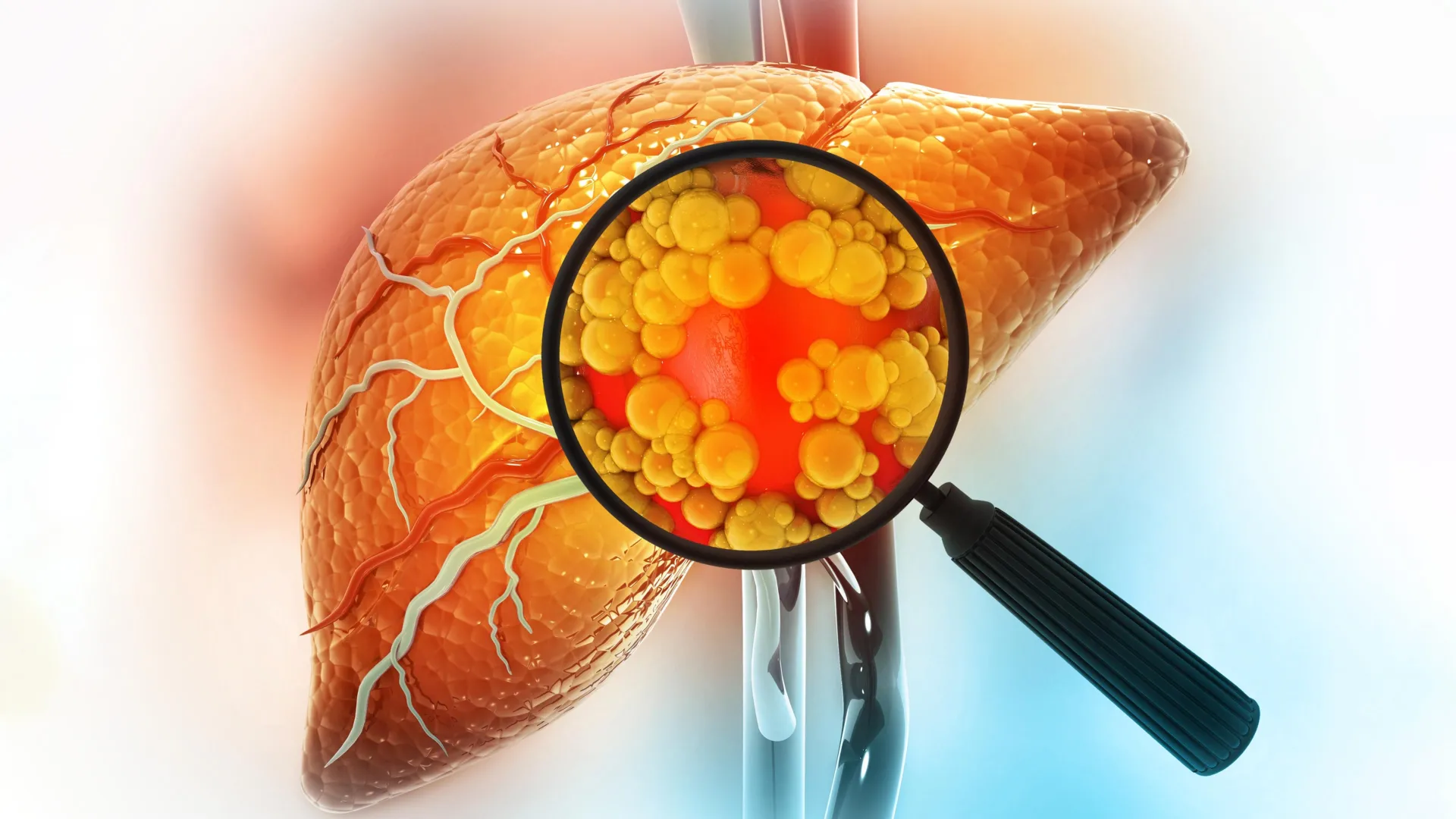
An experimental drug, identified as DT-109, has demonstrated the ability to reverse severe fatty liver disease in animal studies. The drug functions by repairing the gut lining, thereby preventing the leakage of harmful toxins into the bloodstream that can subsequently damage the liver. This breakthrough could pave the way for a novel category of treatments targeting MASH, a condition characterized by inflammation and damage to the liver, often associated with obesity and metabolic syndrome.
Furthermore, the findings suggest that DT-109's mechanism of action, focusing on gut health, may hold potential for treating a broader range of diseases linked to the gut microbiome and its integrity. This research highlights the critical role of the gut-liver axis in maintaining overall health and opens new avenues for therapeutic interventions.
This research into DT-109's efficacy against severe fatty liver disease, particularly its focus on gut repair, presents a promising therapeutic avenue. By targeting the gut-liver axis, the drug addresses a fundamental mechanism underlying MASH and potentially other metabolic disorders. The success in animal studies warrants further investigation into human trials to assess safety and long-term effectiveness. Future considerations will involve understanding the drug's precise molecular targets and its potential for broader application across conditions influenced by gut dysbiosis. The development of such targeted therapies could shift the paradigm in treating chronic liver diseases, moving beyond symptom management to addressing root causes.
AI-generated to prompt reflection — not editorial opinion, not advice, not a statement of fact. How this works.