Experimental Oral Vaccine Shows Promise Against Shigella Diarrhea
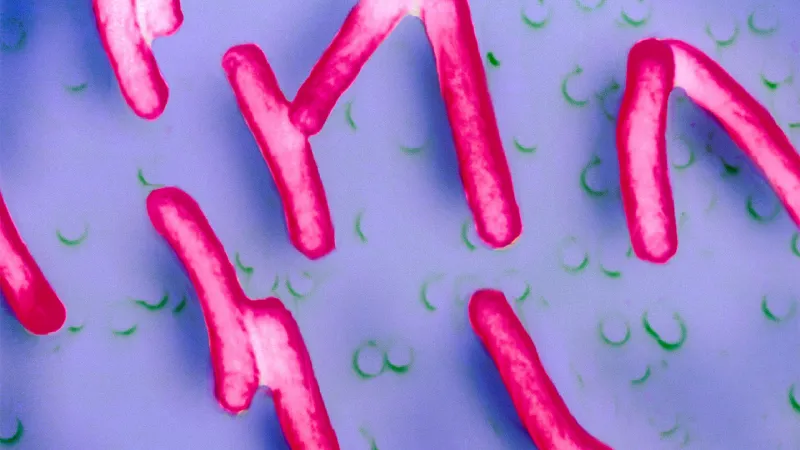
An experimental oral vaccine has demonstrated potential in preventing invasive bacterial diarrhea caused by Shigella. This bacterium is responsible for approximately 450,000 infections in the United States annually. A recent small-scale human trial involving adults indicated that the oral vaccine was effective in providing protection. Further research and larger trials will be necessary to confirm these initial findings and assess the vaccine's broader efficacy and safety profile. The development of such a vaccine could represent a significant advancement in public health, offering a new tool to combat a common and potentially severe infectious disease.
The development of an oral vaccine against Shigella addresses a significant public health challenge, given the high annual infection rates in the U.S. This innovation could shift the paradigm for vaccine delivery, potentially improving accessibility and patient compliance compared to injectable forms. Evaluating the long-term efficacy, scalability of production, and cost-effectiveness will be crucial for its widespread adoption. The success of this experimental vaccine may encourage further investment in oral vaccine technologies for other infectious diseases, potentially reshaping preventative healthcare strategies in the coming decade.
AI-generated to prompt reflection — not editorial opinion, not advice, not a statement of fact. How this works.