Experimental Weight-Loss Drug Found for Sale at Brooklyn Bodega
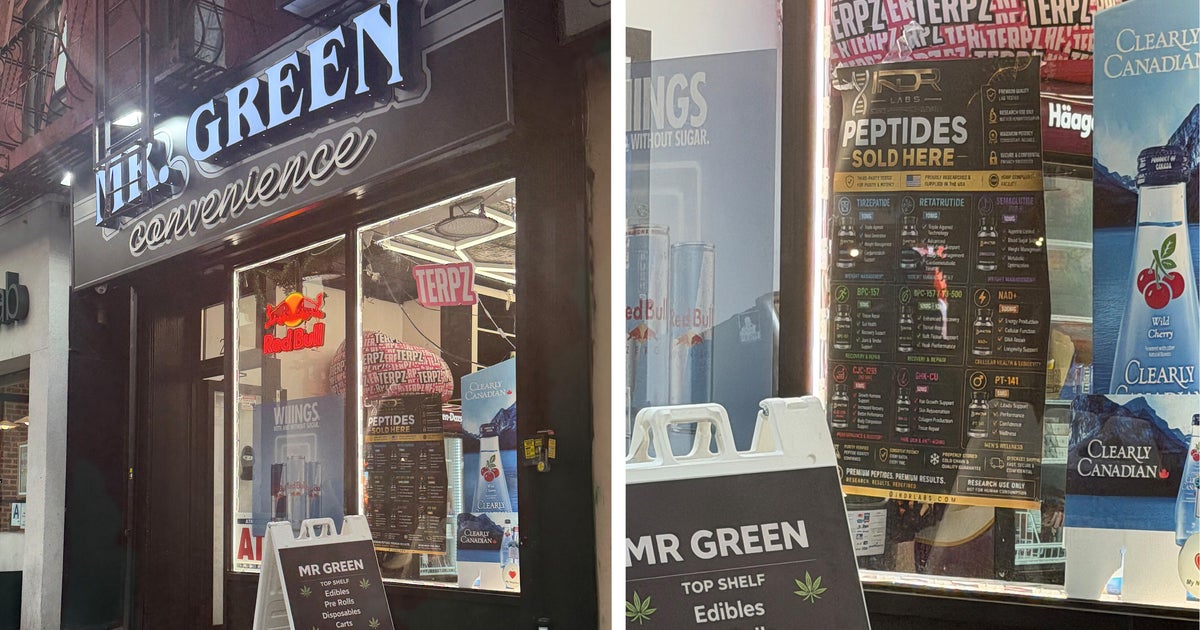
An experimental weight-loss drug, retatrutide, has been discovered for sale at a convenience store in Brooklyn, New York. This drug has not yet received approval from the U.S. Food and Drug Administration (FDA). The presence of this unapproved medication in a retail setting raises significant concerns about public access to experimental treatments. The source highlights a broader trend or 'craze' surrounding weight-loss drugs, suggesting that demand may be driving the availability of such substances outside of regulated medical channels. This situation underscores the challenges in controlling the distribution of unproven and potentially risky pharmaceutical products. Further investigation into how the drug reached the bodega and its potential impact on consumers is warranted.
The availability of unapproved experimental drugs like retatrutide in non-traditional retail settings points to a complex interplay between patient demand, pharmaceutical development, and regulatory oversight. Intense public interest in weight-loss solutions, potentially fueled by media attention and celebrity endorsements, may create market pressures that outpace the formal drug approval process. This scenario highlights a systemic challenge: ensuring that individuals seeking novel treatments can access them safely and ethically, while simultaneously preventing the proliferation of unverified or potentially harmful substances. Future regulatory frameworks may need to consider agile pathways for managing patient access to promising investigational therapies, even as they strengthen enforcement against illicit distribution channels.
AI-generated to prompt reflection — not editorial opinion, not advice, not a statement of fact. How this works.