Experimental weight-loss pens, smuggled and risky: Health alert for new drugs
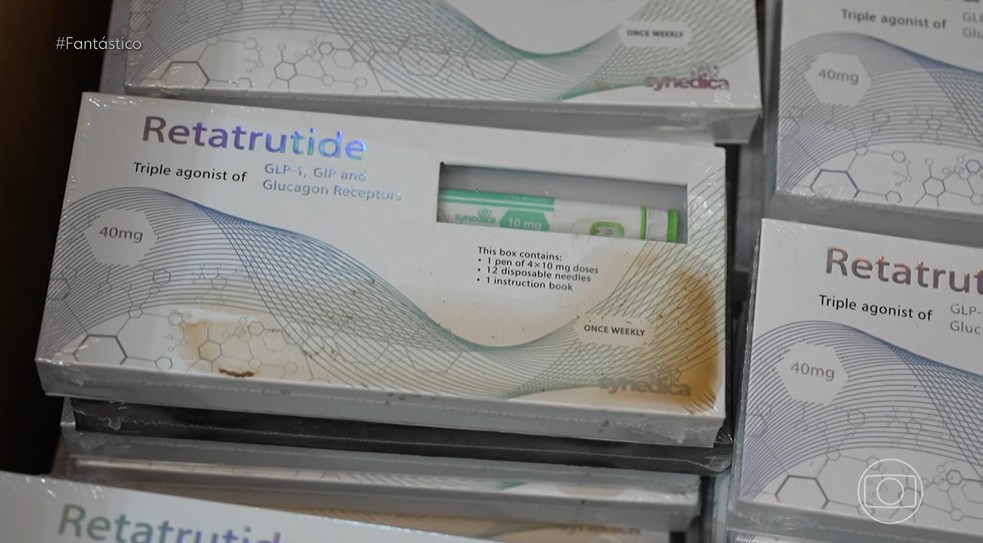
A burgeoning black market for experimental weight-loss drugs, particularly 'retatrutide' pens, is raising serious concerns among health authorities and medical professionals in Brazil. These products, often still in clinical trials and lacking approval from regulatory agencies worldwide, are being illegally sold through social media, websites, and pharmacies, primarily originating from Paraguay. The Agência Nacional de Vigilância Sanitária (Anvisa) emphasizes that no weight-loss pens manufactured in Paraguay are registered for sale in Brazil, meaning their efficacy, safety, quality, and composition are not guaranteed. Experts warn that the substances in these clandestine products may not even match the original pharmaceutical development, potentially being mere imitations without quality control. Furthermore, the manufacturing, storage, and transportation conditions are suspect; these medications require refrigeration to maintain stability, and improper handling can lead to degradation, producing toxic compounds. A Unicamp analysis of a smuggled pen revealed degraded molecules, posing significant health risks. Consumers have reported severe adverse effects, including hypoglycemia, tremors, nausea, vomiting, and tachycardia, necessitating hospitalization. The long-term consequences of using these unverified substances, such as potential damage to the liver, kidneys, and heart, remain unknown. Brazilian authorities have intensified efforts to combat this contraband, with weight-loss medications becoming among the most seized items at the Paraguayan border. Significant seizures include over 30,000 units in one truck and a ton of medication from China at Viracopos Airport. The Anvisa advises the public to use only approved medications prescribed by healthcare professionals, highlighting the dangers of seeking rapid weight loss through unverified and potentially harmful products.
The proliferation of unapproved and potentially counterfeit weight-loss drugs highlights a critical tension between consumer demand for rapid aesthetic results and the stringent regulatory frameworks designed to ensure public health and safety. This market dynamic is amplified by social media's influence on body image and the accessibility of illicit goods across borders. The systemic risk lies in the bypass of established pharmaceutical development and quality assurance processes, creating an environment where efficacy claims are unsubstantiated and the potential for severe adverse health outcomes is high. Future regulatory strategies may need to address not only border control but also the digital pathways through which these products are marketed and sold, alongside public health campaigns that foster critical evaluation of unverified health claims in the digital age.
AI-generated to prompt reflection — not editorial opinion, not advice, not a statement of fact. How this works.