Experimenting with Viewer-Suggested Levitation Techniques on an Induction Cooker
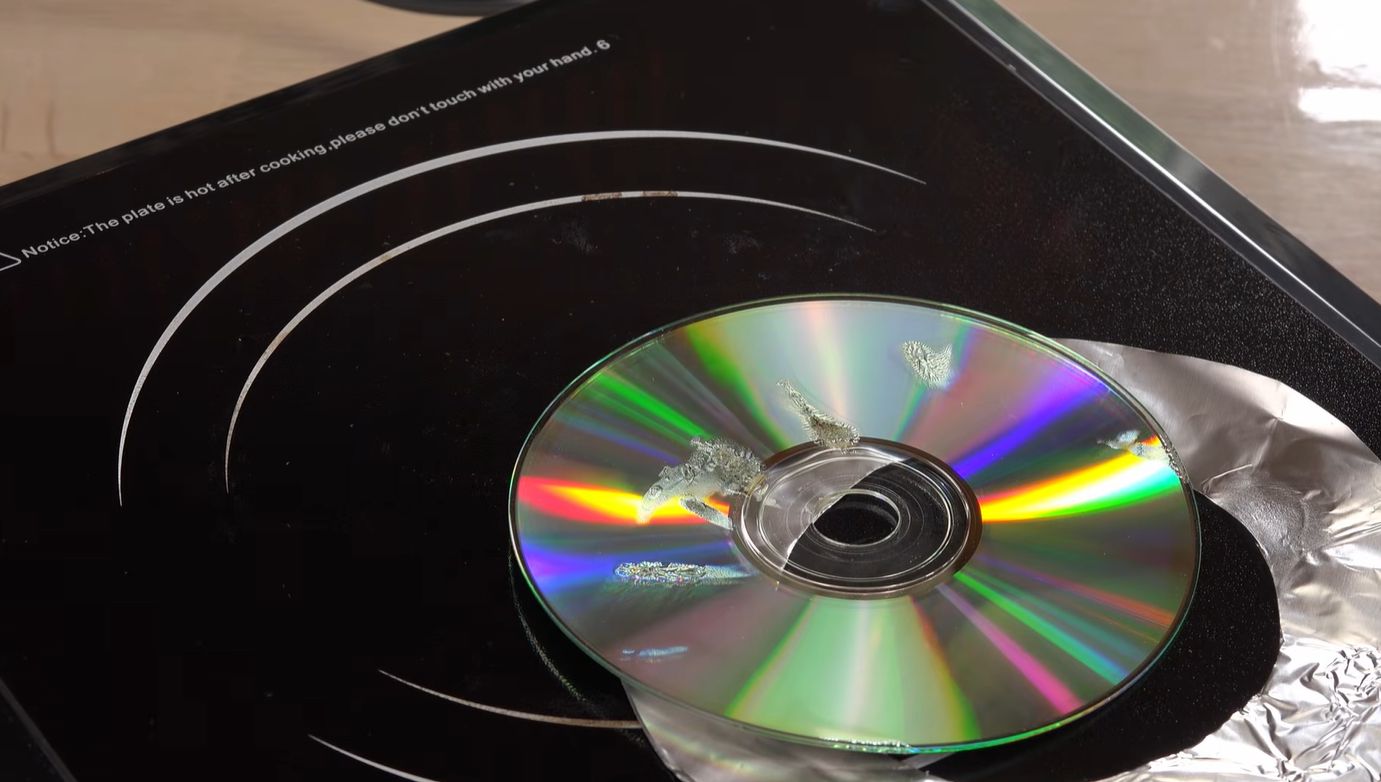
The creator of a popular online channel is exploring viewer suggestions to enhance a levitation experiment using an induction cooker. Following initial positive feedback, the decision was made to incorporate audience ideas to further develop and improve the demonstration. This iterative approach, driven by viewer interaction, aims to refine the levitation process and potentially uncover new applications or insights. The experiment likely involves principles of electromagnetism, where the induction cooker generates a rapidly changing magnetic field. This field can induce eddy currents in conductive objects, leading to repulsive forces that can counteract gravity. Viewer suggestions might focus on optimizing the object's material, shape, or placement, as well as adjusting the cooker's settings. The goal is to achieve a more stable, pronounced, or visually striking levitation effect. This collaborative method highlights the dynamic relationship between content creators and their audience, fostering engagement and co-creation of scientific demonstrations.
This content leverages viewer engagement to iteratively refine a scientific demonstration, moving beyond a single trial to explore optimized outcomes. The process highlights a dynamic feedback loop common in online educational content, where audience input directly influences the direction of experimentation. From a systems perspective, this approach democratizes scientific inquiry, allowing for a broader exploration of parameters than a single researcher might conceive. It also implicitly tests hypotheses about material science and electromagnetism based on collective user experience, potentially accelerating discovery through distributed intelligence. The long-term implication is a more robust understanding of levitation principles, driven by collaborative problem-solving and adaptive experimentation.
AI-generated to prompt reflection — not editorial opinion, not advice, not a statement of fact. How this works.