Expert Advice: Lifestyle Habits to Reduce Alzheimer's Risk
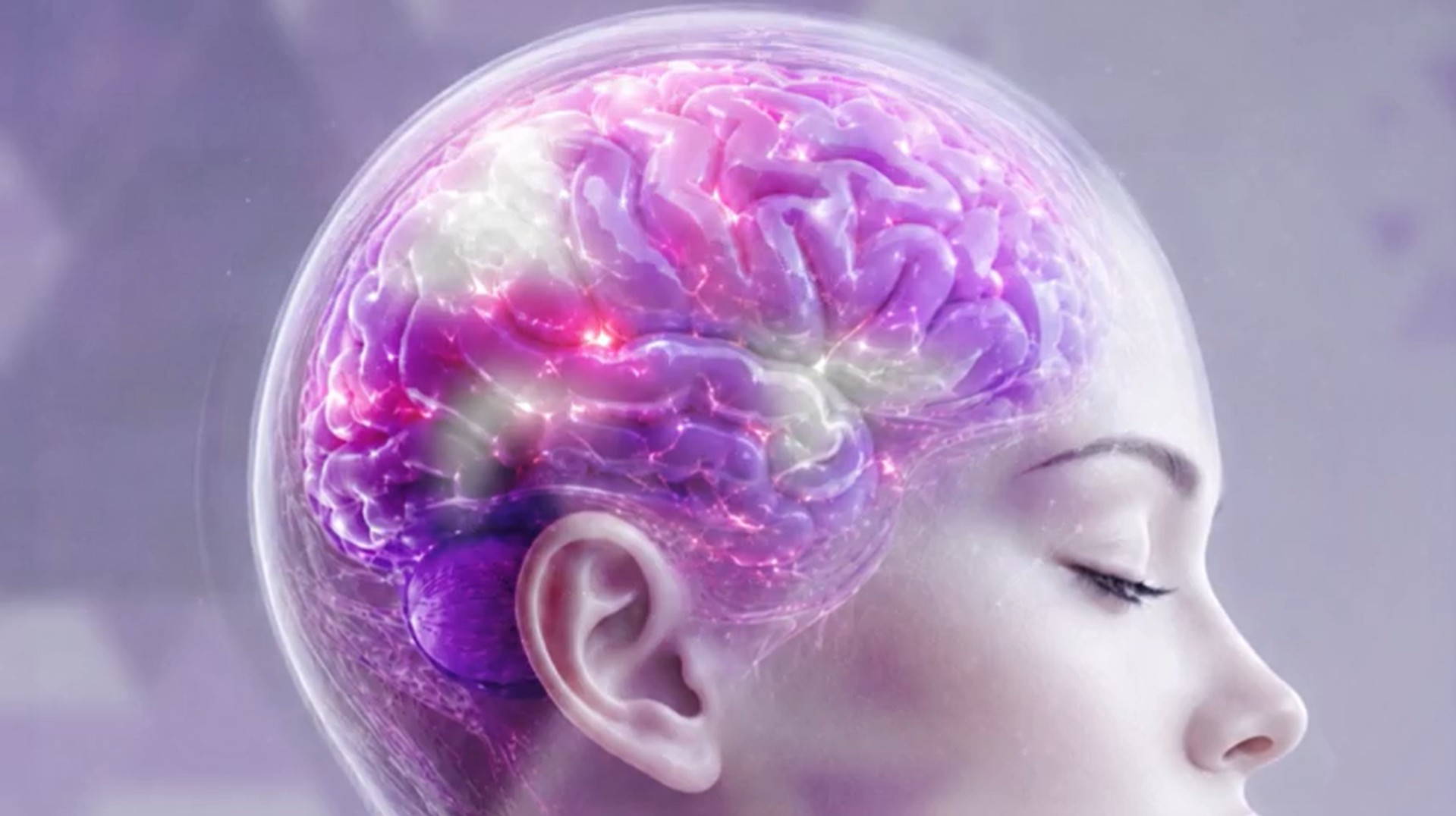
Neuroscientist Lisa Mosconi emphasizes that proactive brain health is crucial long before old age to mitigate Alzheimer's risk. Key lifestyle recommendations include regular physical activity, a diet rich in natural foods and low in sugar and processed items, sufficient sleep, and avoiding smoking. Reducing alcohol consumption and managing chronic stress, which elevates cortisol levels and can impair memory-related brain areas, are also vital. Research indicates Alzheimer's pathology can begin in mid-life, with brain changes potentially starting around age 45-50, particularly in women. Women are disproportionately affected, accounting for two-thirds of Alzheimer's diagnoses. Scientists are investigating the role of estrogen, crucial for brain energy, blood flow, and neuronal function, and its decline during menopause may increase vulnerability. Hormone replacement therapy is being considered as a protective strategy for women without contraindications. Beyond physical health, mental stimulation through reading, learning, social engagement, and intellectual activities is essential for healthy brain aging. Promising advancements include blood tests capable of early Alzheimer's detection, already approved in the U.S. and expected in Brazil soon, which could enable quicker interventions and better disease management strategies. The overarching message from researchers is one of hope, highlighting that lifestyle modifications and emerging diagnostic tools offer significant potential for brain health and delaying disease progression.
The growing understanding of Alzheimer's disease as a mid-life onset condition, rather than solely a geriatric ailment, shifts the focus towards preventative strategies and early intervention. The disproportionate impact on women highlights the intersection of aging, hormonal changes, and neurological health, underscoring the need for gender-specific research and healthcare approaches. Advances in diagnostic technology, such as blood tests, promise to democratize early detection, potentially reducing healthcare burdens and improving patient outcomes by enabling timely lifestyle adjustments and therapeutic interventions. This evolution in perspective encourages a proactive, lifelong approach to brain health, integrating physical, mental, and social well-being as critical components of aging well.
AI-generated to prompt reflection — not editorial opinion, not advice, not a statement of fact. How this works.