Expert: Bridges can expand several centimeters in a single day due to extreme heat
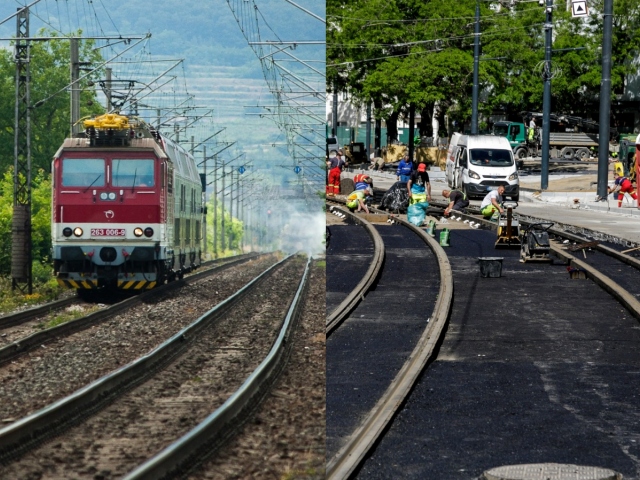
Extreme heat waves exceeding 40 degrees Celsius are significantly impacting Slovakia's transportation infrastructure, causing roads, bridges, and railway tracks to deteriorate and shorten their lifespan. The intense heat not only makes driving difficult due to softened asphalt but also affects pedestrians. Experts acknowledge the challenges posed by these high temperatures, noting that materials adapted for warmer climates may not be a complete solution for Slovakia's specific conditions. The situation raises questions about the country's preparedness for such climatic extremes and their long-term effects on critical infrastructure. The expansion of bridges by several centimeters in a single day highlights the physical stresses these structures endure. This phenomenon underscores the need for robust infrastructure planning and maintenance strategies that account for increasingly severe weather events. The impact extends beyond mere inconvenience, affecting the structural integrity and safety of essential transportation networks. Addressing these challenges requires a comprehensive approach, considering both immediate adaptations and long-term resilience.
The extreme heat impacting Slovakia's infrastructure highlights a growing global challenge of adapting critical systems to climate change. While materials science may offer some solutions, the fundamental issue lies in the mismatch between existing infrastructure designs, built for historical climate norms, and the increasingly volatile weather patterns of the Anthropocene. This necessitates a strategic re-evaluation of engineering standards and investment priorities. Future infrastructure development must incorporate climate resilience as a core design principle, anticipating not just current but also projected temperature extremes. The economic and social costs of neglecting this foresight could far outweigh the investments required for proactive adaptation, potentially leading to widespread disruptions and safety concerns across transportation networks.
AI-generated to prompt reflection — not editorial opinion, not advice, not a statement of fact. How this works.
