Expert: Evidence Lags Behind Hype on Ozempic's Cancer Prevention Potential
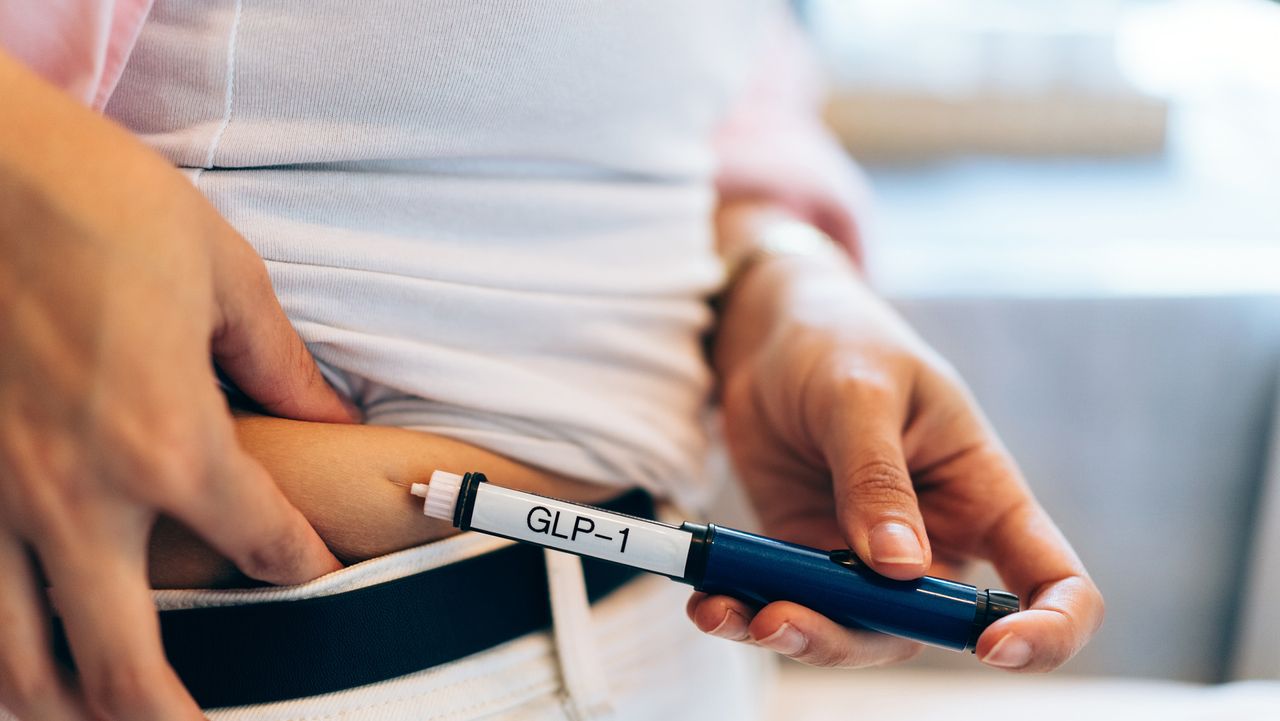
The excitement surrounding the possibility that GLP-1 drugs, such as Ozempic, could prevent cancer is significantly outpacing the available scientific evidence, according to an expert. While early observations and theoretical mechanisms suggest a potential link, it is premature to draw definitive conclusions about these medications' efficacy in cancer prevention or treatment. Researchers are exploring how these drugs might influence cancer development, but robust clinical trials are necessary to validate any purported benefits. The current enthusiasm is largely based on preliminary findings and speculation rather than established medical facts. Therefore, a cautious approach is warranted until more comprehensive data emerges from rigorous scientific studies. The medical community emphasizes the need for further research to understand the complex relationship between GLP-1 agonists and oncological outcomes. Until then, claims of cancer prevention or treatment using these drugs should be viewed with skepticism. The focus remains on their established roles in managing diabetes and obesity.
The burgeoning interest in GLP-1 agonists like Ozempic for cancer prevention highlights a common dynamic where preliminary scientific signals generate significant public and market anticipation. While biological plausibility is a crucial starting point for research, the extrapolation of potential benefits beyond established therapeutic indications requires rigorous, long-term clinical validation. The current discourse underscores the challenge of managing expectations in the face of rapid technological advancement, particularly when commercial interests and patient hope converge. Future research will need to navigate complex biological pathways and potential confounding factors to establish a clear causal link, if one exists, while ensuring that established treatment protocols for both diabetes and cancer are not prematurely disrupted.
AI-generated to prompt reflection — not editorial opinion, not advice, not a statement of fact. How this works.