Expert: Infrastructure fragments landscapes, threatening animal migration and survival
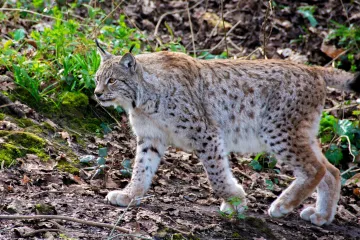
Jindřiška Jelínková, Director of the Species Protection Department at the Agency for Nature Conservation and Landscape Protection (AOPK), warns that linear infrastructure projects are fragmenting the landscape. This division of the land disrupts animals' ability to migrate, effectively isolating populations in smaller areas. Jelínková states that this isolation is a direct path toward the gradual extinction of these animal populations. She emphasizes the critical importance of ecological connectivity, which refers to the permeability of the landscape for animals moving on land, in water, and in the air. In a detailed interview, she explains how human infrastructure negatively impacts the environment and its inhabitants. The discussion also covers potential compensatory measures to mitigate these adverse effects. Jelínková is currently the expert guarantor for an AOPK project focused on addressing these issues.
The proliferation of linear infrastructure, such as roads and railways, inherently divides natural habitats. This fragmentation poses a significant challenge to biodiversity by impeding animal movement and gene flow, potentially leading to isolated and vulnerable populations. While infrastructure development is often driven by economic and societal needs, its ecological footprint necessitates careful planning and mitigation strategies. Future development must prioritize landscape connectivity, integrating ecological corridors and wildlife crossings to balance human progress with the imperative of preserving natural ecosystems and species survival. This approach is crucial for maintaining ecological resilience in the face of increasing anthropogenic pressures.
AI-generated to prompt reflection — not editorial opinion, not advice, not a statement of fact. How this works.