Experts Advise on Bed Sheet Washing Frequency and Replacement
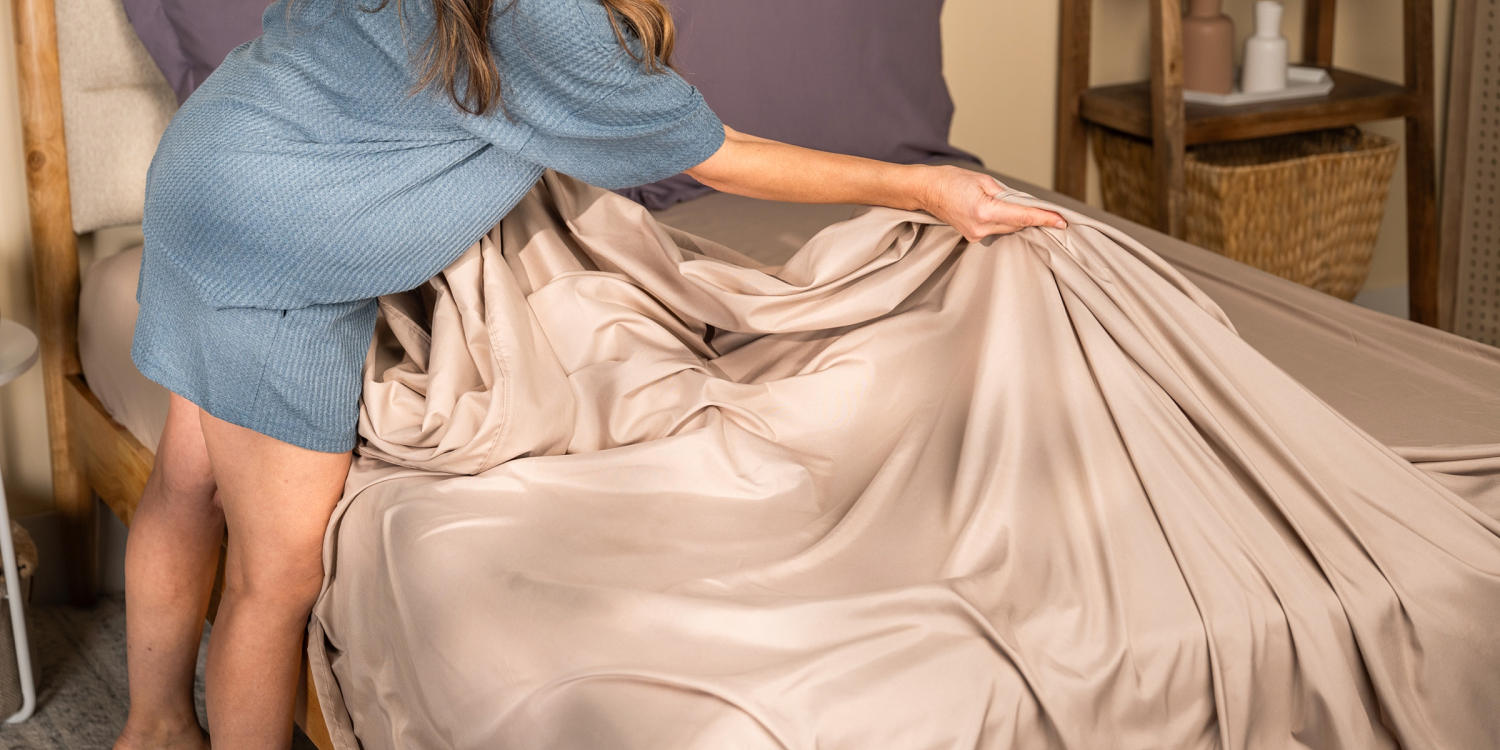
Laundry experts have provided guidance on the optimal frequency for washing and changing bed sheets, as well as determining when a set is no longer usable. The advice aims to help consumers maintain hygiene and prolong the life of their bedding. Key recommendations focus on establishing a regular washing schedule to prevent the buildup of allergens, dead skin cells, and bodily fluids. Experts also detailed the signs that indicate a set of sheets has reached the end of its lifespan and should be replaced. This includes assessing the fabric's condition, such as thinning, pilling, or persistent stains. The information is intended to offer clarity on a common household task, ensuring consumers can make informed decisions about their laundry practices and bedding investments. The experts' insights cover both the practical aspects of cleaning and the economic considerations of replacing worn-out linens.
Maintaining hygienic bedding involves a balance between practical cleaning routines and the economic reality of textile wear. Regular washing addresses concerns related to microbial growth and allergen accumulation, which can impact personal health and comfort. The frequency of washing and the decision to replace sheets are influenced by factors such as individual usage patterns, environmental conditions, and the quality of the textile itself. Understanding these variables allows consumers to optimize their approach, potentially reducing waste and resource consumption associated with frequent replacements. Future considerations may involve advancements in textile technology that enhance durability and antimicrobial properties, thereby extending the usable life of bedding and influencing consumer purchasing habits over the next decade.
AI-generated to prompt reflection — not editorial opinion, not advice, not a statement of fact. How this works.