Experts Challenge Ruling Party on '2600 Years of Male Succession' Claim
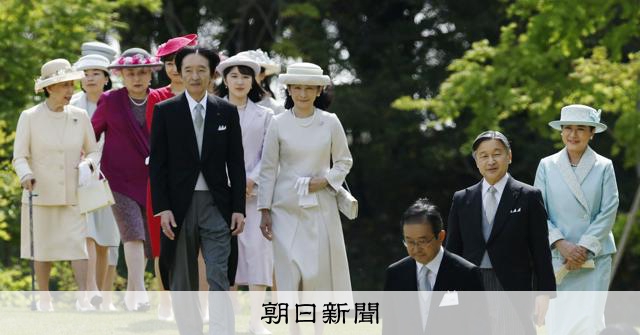
The claim that the Japanese imperial throne has been passed down through male lineage for over 2600 years has been challenged by experts speaking to ruling party officials. This assertion, often cited in discussions about the succession law, has come under scrutiny. The debate centers on the historical accuracy of this long-standing tradition. Experts are raising questions about the continuous nature of male-only succession throughout Japan's history. The ruling party is reportedly considering various options regarding the imperial succession. This includes discussions on whether to allow female succession or maintain the current male-only system. The historical context and the precise definition of 'tradition' are key points of contention. The outcome of these discussions could have significant implications for the future of the Imperial Household. The government is seeking to balance historical precedent with contemporary societal views. Further deliberations are expected as the ruling party weighs expert opinions against established norms.
The debate over the historical basis of male-only imperial succession highlights the tension between tradition and evolving societal norms. While proponents may invoke long historical periods to legitimize the current system, historical analysis often reveals complexities and exceptions that challenge simplistic narratives. Examining such claims through a lens of rigorous historical scholarship can reveal whether the 'tradition' is a continuous, unbroken line or a selectively emphasized interpretation. This discussion is particularly relevant in the context of Japan's demographic shifts and changing views on gender roles, prompting a re-evaluation of governance structures that may be rooted in past societal frameworks. The long-term sustainability of any system will likely depend on its adaptability to contemporary values and future societal expectations.
AI-generated to prompt reflection — not editorial opinion, not advice, not a statement of fact. How this works.