Experts Cite Contradictions in New Electric Vehicle Tax Scheme
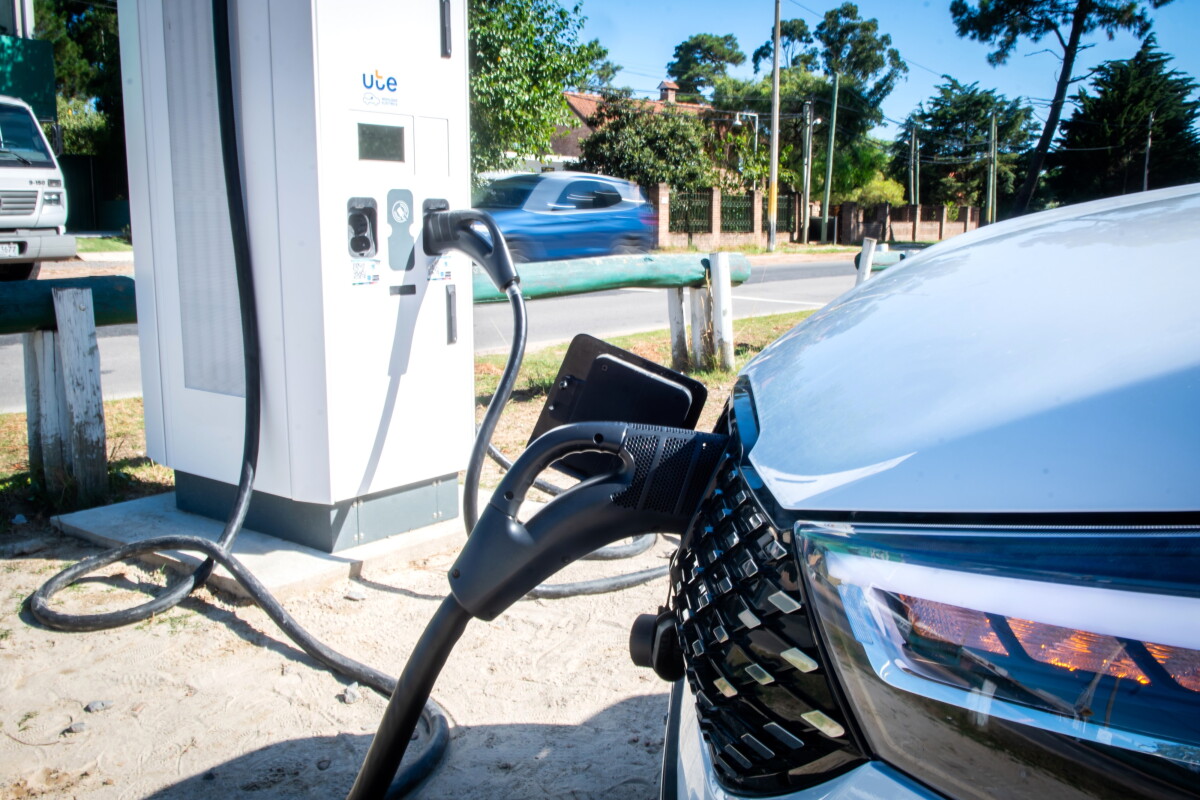
Experts are pointing out "contradictions" and "market distortions" following the implementation of the Imesi tax scheme for electric vehicles. They argue that the current system lacks sufficient incentives to truly drive adoption. Instead, specialists advocate for a stronger focus on boosting incentives for public transportation. This perspective suggests that the current tax structure may not be effectively aligning with broader goals of promoting sustainable mobility. The debate highlights a perceived disconnect between policy design and desired outcomes in the electric vehicle market. The call for enhanced public transport incentives indicates a belief that this sector holds greater potential for immediate environmental impact and accessibility. The discussion underscores the complexity of crafting effective fiscal policies for emerging technologies and sustainable initiatives.
The Imesi tax scheme's implementation for electric vehicles appears to be generating debate around its efficacy and market impact. Critics highlight "contradictions" and "market distortions," suggesting that the current incentives may not be adequately structured to promote widespread EV adoption. The call for increased support for public transportation indicates a potential strategic trade-off between individual vehicle electrification and broader systemic shifts towards sustainable mobility. Policymakers face the challenge of balancing diverse stakeholder interests and technological trajectories. Future policy design could benefit from a more integrated approach that considers the entire transportation ecosystem, rather than focusing solely on individual vehicle types, to achieve long-term sustainability and accessibility goals.
AI-generated to prompt reflection — not editorial opinion, not advice, not a statement of fact. How this works.