Experts Explain Differences Between Yellow and White-Skinned Chickens
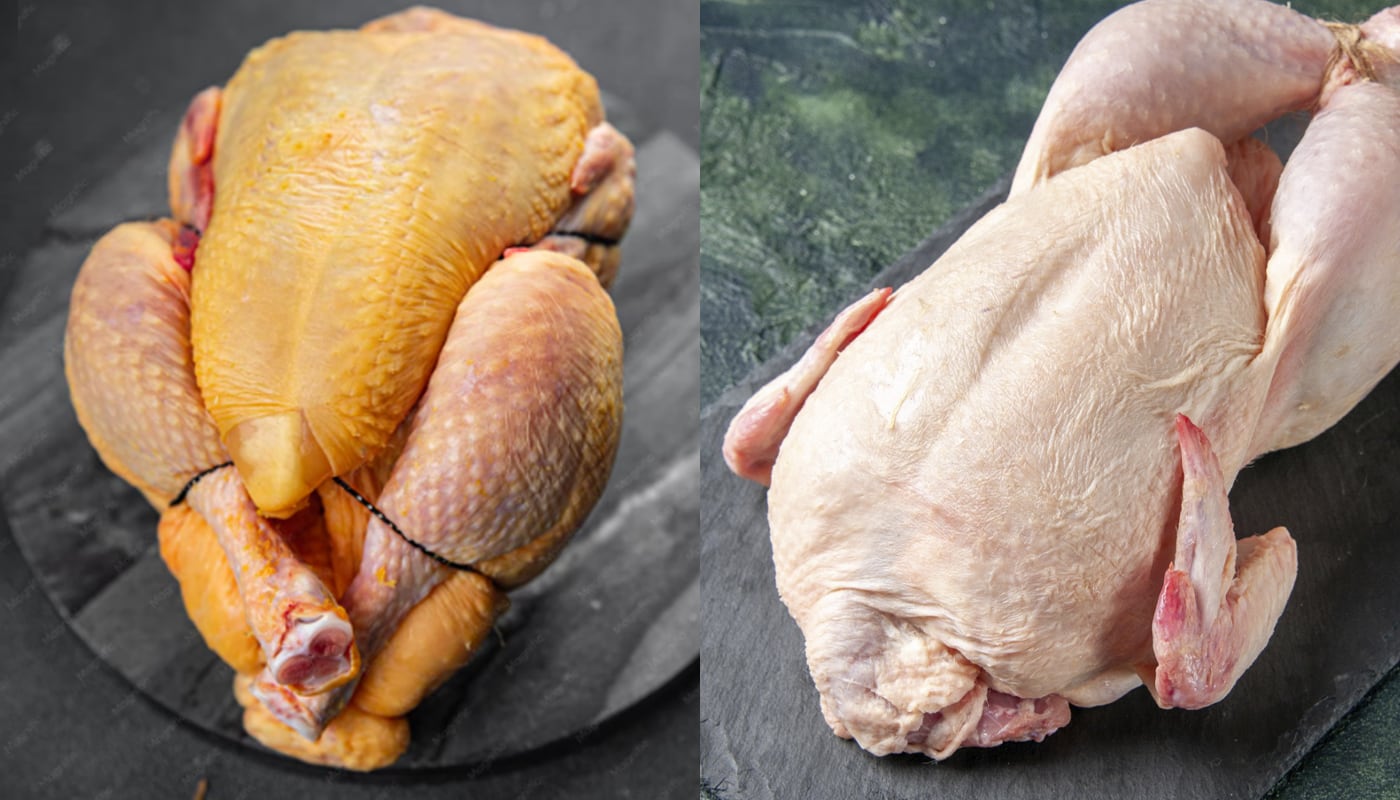
Experts are shedding light on the distinctions between chickens with yellow skin and those with white skin. These differences are not merely superficial but relate to various aspects of the birds, including their genetics and the way they are raised. The color of the chicken's skin is primarily determined by the breed and its diet. Breeds with yellow skin often accumulate carotenoids, pigments found in plants, which are then transferred to their skin and fat. Conversely, breeds with white skin typically have a genetic makeup that prevents significant carotenoid absorption or deposition. This dietary influence is a key factor differentiating the two. Furthermore, the perception of taste and texture can vary between these types of chickens, although scientific consensus on significant culinary differences is still developing. Some consumers prefer the taste associated with yellow-skinned chickens, often linked to specific breeds or feeding practices. Others may find white-skinned chickens to be more tender or milder in flavor. The methods of farming and processing can also play a role in the final product's characteristics. Ultimately, the choice between yellow and white-skinned chickens often comes down to consumer preference, breed availability, and regional culinary traditions. Understanding these differences can help consumers make more informed choices based on their desired culinary outcomes.
The distinction between yellow and white-skinned chickens, while seemingly a matter of simple observation, highlights how breed genetics and dietary inputs interact to influence animal product characteristics. Consumer preference for one over the other, often rooted in tradition or perceived subtle differences in taste and texture, can drive market demand and, consequently, farming practices. This dynamic illustrates the interplay between agricultural science, consumer perception, and market economics. Future agricultural systems may leverage genetic selection and controlled feeding regimens to optimize for specific consumer preferences or to enhance nutritional profiles, potentially blurring traditional distinctions or creating new ones based on verifiable quality metrics rather than solely on visual cues.
AI-generated to prompt reflection — not editorial opinion, not advice, not a statement of fact. How this works.