Experts Explain How World Cup Excitement Boosts Mental Well-being
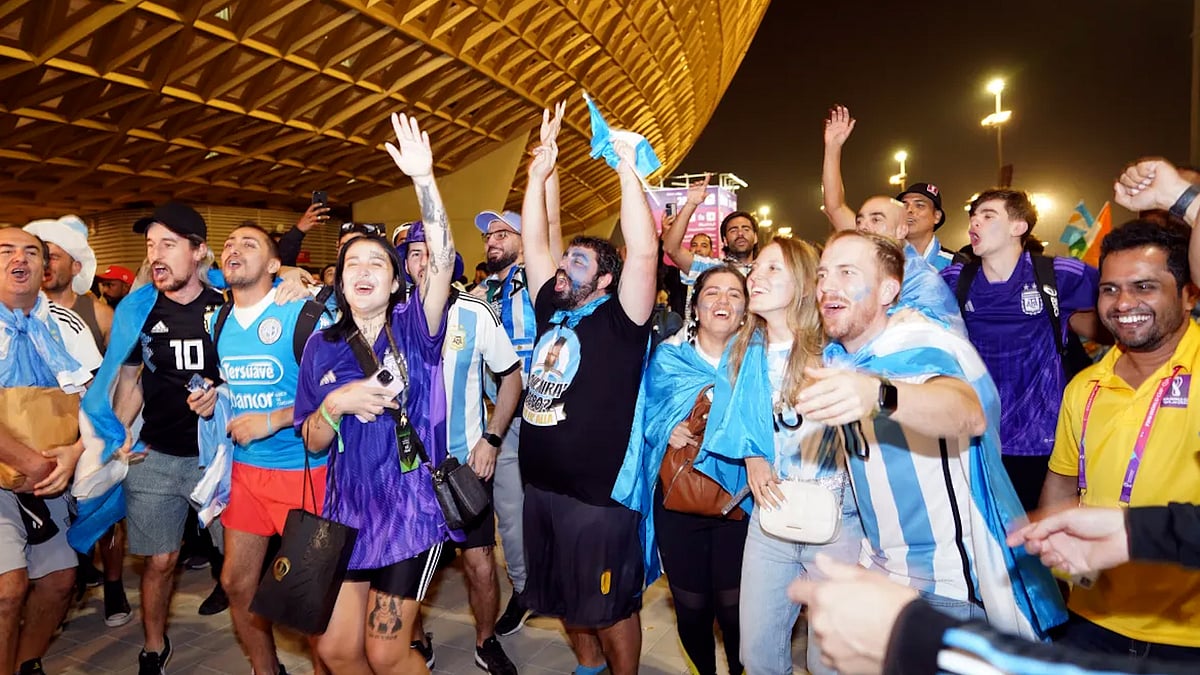
Experts have revealed that shared experiences during major sporting events like the World Cup can significantly benefit mental health. The act of collectively cheering for a favorite team, singing songs, and even commiserating over losses together fosters a sense of community and shared emotion. This collective participation helps individuals feel connected and less isolated, contributing positively to their psychological state. The shared joy and even the shared disappointment create strong social bonds, which are crucial for overall well-being. These communal activities provide a healthy outlet for stress and emotions, allowing people to engage in positive social interaction. The excitement surrounding such events can distract from daily worries and provide a sense of belonging. Ultimately, the shared emotional journey of supporting a team through the highs and lows of a tournament is seen as a valuable component of mental wellness.
The collective emotional engagement fostered by major sporting events like the World Cup highlights a fundamental human need for social connection and shared experience. While these events can provide temporary psychological benefits by offering an escape and a sense of belonging, their long-term impact on mental health is complex. The analysis should consider the sustainability of these benefits and whether they address underlying societal issues contributing to mental distress. Future considerations might involve leveraging such widespread engagement for more sustained community-building initiatives or public health campaigns, rather than relying solely on the transient excitement of sporting tournaments. The incentive for organizing bodies is often commercial, which may or may not align with maximizing genuine, long-term public mental well-being.
AI-generated to prompt reflection — not editorial opinion, not advice, not a statement of fact. How this works.