Experts: No Alternative Can Replace Strait of Hormuz for Global Oil Trade
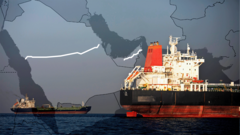
Despite the existence of alternative routes, experts state that no other waterway can fully substitute for the Strait of Hormuz. This strategically vital chokepoint facilitates the passage of approximately one-quarter of the world's seaborne oil trade. The significance of the Strait lies in its unique geographical position, connecting the Persian Gulf to the open ocean. Any disruption to this critical maritime artery would have profound implications for global energy markets and supply chains. While other shipping lanes exist, they lack the directness and capacity to handle the sheer volume of oil transiting through Hormuz. Therefore, the international community remains highly focused on ensuring the stability and security of this crucial passage.
The Strait of Hormuz's irreplaceable role in global oil transport highlights the inherent vulnerabilities in concentrated critical infrastructure. While alternative routes may offer partial redundancy, their economic viability and capacity limitations underscore the challenges of diversifying essential supply chains. This situation presents a clear incentive for maintaining diplomatic stability and investing in robust security measures to safeguard this vital chokepoint. Looking ahead, the increasing global demand for energy, coupled with geopolitical uncertainties, will likely intensify focus on both securing existing routes and exploring long-term technological solutions for energy transport and storage, mitigating reliance on single points of failure.
AI-generated to prompt reflection — not editorial opinion, not advice, not a statement of fact. How this works.