Experts Urge Inclusion of Older Adults in Policy and Planning
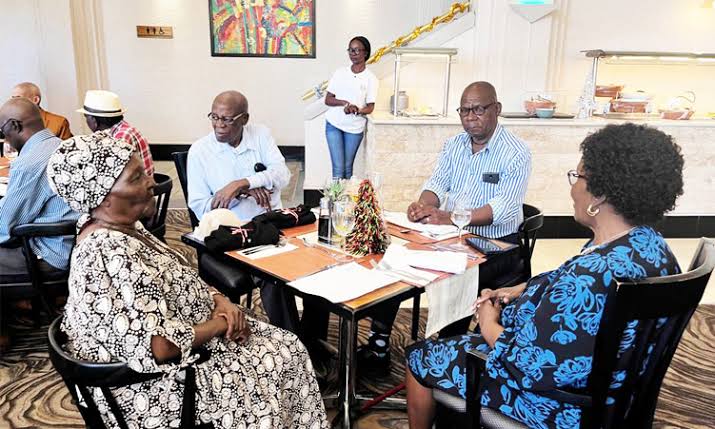
Retired Public Service Commission commissioner Nashilongo Shivute has called for the inclusion of older individuals in the development of government policies, community planning, and service design. Shivute made this appeal during the sixth African Union Specialised Technical Committee on Social Development, Labour and Employment experts’ meeting held in Windhoek on Wednesday. Her remarks were delivered during a side event focused on social protection and health. The meeting emphasized the importance of considering the perspectives and needs of the elderly in future strategic initiatives. This call highlights a growing recognition of the valuable contributions and unique challenges faced by older populations. Ensuring their voices are heard is seen as crucial for creating more effective and equitable societal structures. The event in Windhoek served as a platform for discussing and advancing social development agendas across the continent. The focus on integrating older people into planning processes underscores a commitment to intergenerational equity and comprehensive societal well-being.
The call to integrate older adults into policy and planning processes reflects a broader societal shift towards recognizing the demographic importance and lived experience of aging populations. From a governance perspective, inclusive planning can lead to more robust and responsive public services by incorporating diverse needs and insights, potentially mitigating future social protection gaps. Considering the long-term implications of demographic change, particularly in the context of evolving healthcare and economic structures, proactively engaging older citizens can foster greater social cohesion and ensure that development strategies are sustainable and equitable across generations. This approach aligns with principles of good governance and human rights, aiming to empower all segments of society in shaping their collective future.
AI-generated to prompt reflection — not editorial opinion, not advice, not a statement of fact. How this works.