Experts Urge Vaccination and Balanced Diet to Combat Winter Cold in Serrana Region
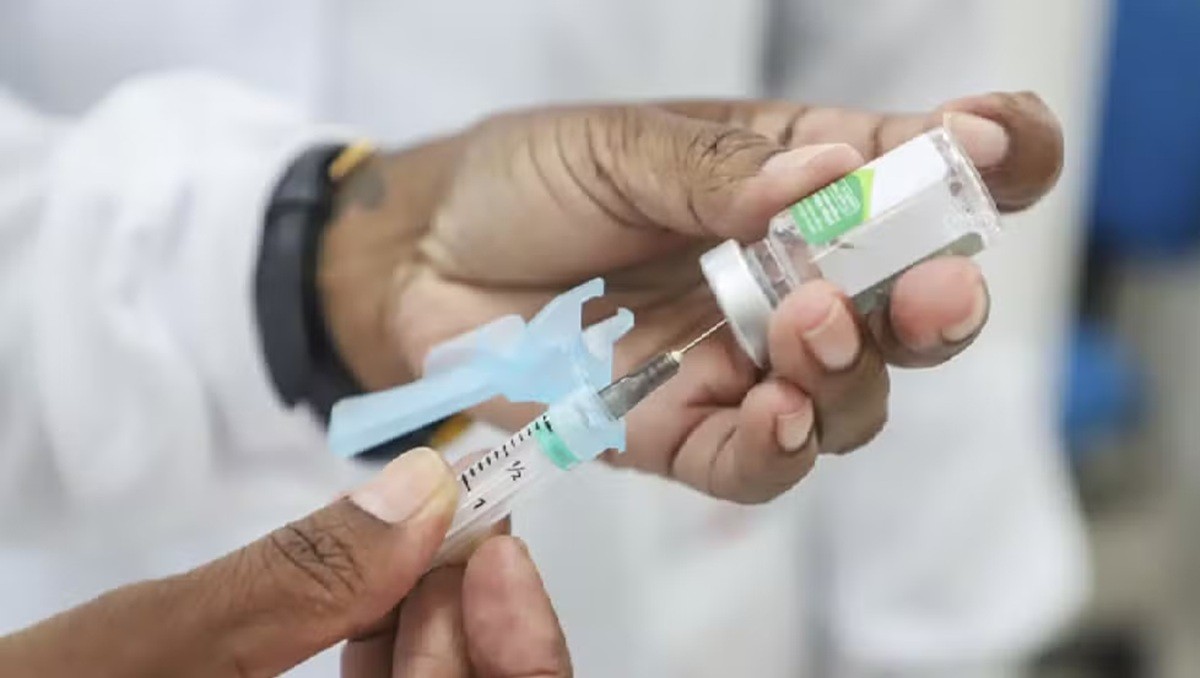
As winter temperatures drop, particularly in the Serrana Region of Rio de Janeiro, experts are emphasizing the importance of staying up-to-date with vaccinations and maintaining a balanced diet to protect health. Cities like Petrópolis, Teresópolis, and Nova Friburgo, known for their cold weather, are seeing temperatures fall, with Petrópolis recently recording 3.6°C. Health professionals recommend key immunizations to mitigate risks from respiratory viruses. Dr. Fábio Argenta, Medical Director at Saúde Livre Vacinas, highlights the ongoing significance of vaccines for influenza and COVID-19 during this season. He also advises on vaccines for Respiratory Syncytial Virus (RSV), particularly for specific groups like pregnant women and the elderly, and pneumococcal vaccines to prevent lung infections and their complications. Alongside vaccination, dietary habits require attention during colder months. While comfort foods like fondue, hot chocolate, and pasta are popular, excessive consumption can lead to weight gain. Dr. Edson Ramuth, founder of Emagrecentro, suggests that these foods can be enjoyed in moderation as part of an overall balanced diet. He recommends reserving such dishes for occasional treats and prioritizing meals rich in vegetables, lean proteins, and whole grains throughout the week. Paying attention to hunger and satiety cues and avoiding automatic portion repetition are also crucial strategies for maintaining a healthy diet.
The advice from health experts underscores a perennial public health challenge: managing seasonal health risks through preventative measures. The emphasis on vaccination and diet reflects established strategies for bolstering individual resilience against common winter ailments, particularly respiratory infections. In an era increasingly shaped by AI and data-driven health insights, the focus on personalized vaccination schedules and nutritional guidance could be further enhanced. Future public health initiatives might leverage predictive analytics to identify vulnerable populations and tailor interventions more precisely, optimizing resource allocation and public well-being during seasonal health challenges. This approach moves beyond generalized recommendations to more dynamic, data-informed public health management.
AI-generated to prompt reflection — not editorial opinion, not advice, not a statement of fact. How this works.