Experts Warn Against Releasing Rhinoceros and Stag Beetles Due to Genetic Risks
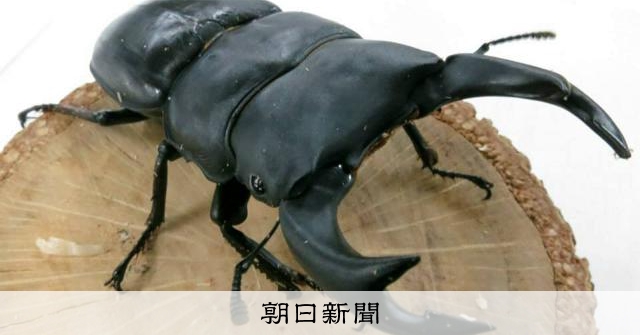
Experts are urging the public not to release rhinoceros beetles and stag beetles into the wild, highlighting potential risks revealed through genetic analysis. This advisory stems from concerns that the release of these popular insects, often kept as pets, could have unforeseen ecological consequences. Genetic studies are beginning to shed light on the specific dangers associated with introducing these beetles into new environments. The primary concern is the potential disruption of native insect populations and ecosystems. The beetles, when released, can compete with indigenous species for resources such as food and habitat. Furthermore, there is a risk of introducing diseases or parasites that native insect populations may not have immunity against. The genetic analysis aims to understand the diversity within captive beetle populations and how this might affect their survival and impact if released. It also seeks to identify any unique genetic traits that could make them particularly invasive or harmful to the local environment. Authorities are emphasizing that responsible pet ownership includes ensuring that these insects do not escape or are not intentionally released. The public is encouraged to seek proper methods for rehoming or managing these beetles if they can no longer care for them. This initiative aims to protect Afghanistan's natural biodiversity from potential threats posed by non-native species.
The advisory against releasing captive beetles underscores the growing awareness of the ecological impact of invasive species, amplified by advancements in genetic analysis. While seemingly benign, the introduction of non-native insects can disrupt delicate food webs and introduce novel pathogens, posing long-term risks to biodiversity. This situation highlights a broader challenge in managing human-animal interactions, particularly with popular species. Future governance frameworks may need to integrate genetic screening and stricter regulations for the trade and keeping of exotic pets to preemptively mitigate ecological disruptions in an increasingly interconnected world. The focus on genetic analysis suggests a shift towards data-driven environmental policy, aiming to predict and prevent ecological harm before it manifests.
AI-generated to prompt reflection — not editorial opinion, not advice, not a statement of fact. How this works.