Experts Warn Against Using One Oil for All Cooking Methods
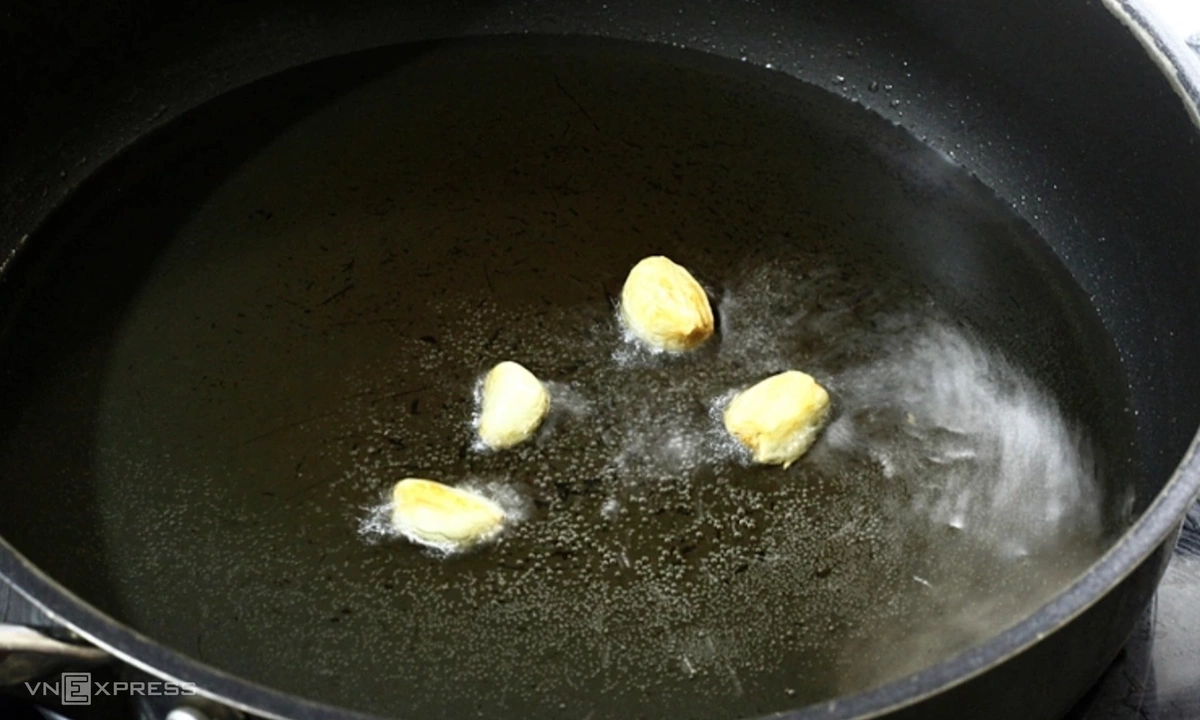
Experts are cautioning consumers against using a single type of cooking oil for all culinary preparations. This practice can lead to the oil degrading and producing toxic substances when exposed to high temperatures. Furthermore, using one oil for diverse cooking methods can diminish its nutritional value. Different oils have varying smoke points and chemical compositions, making them suitable for specific cooking techniques. For instance, oils with high smoke points are generally better for frying and high-heat searing, while those with lower smoke points are more appropriate for dressings and low-heat sautéing. When an oil is heated beyond its smoke point, it begins to break down, releasing harmful compounds. This breakdown not only compromises food safety but also strips the oil of its beneficial nutrients. Therefore, selecting the appropriate oil based on the cooking method is crucial for both health and culinary outcomes. Consumers are advised to diversify their oil usage and research the properties of different oils to ensure safe and nutritious cooking.
The widespread practice of using a single cooking oil across various methods highlights a potential disconnect between consumer convenience and food science. This approach, driven by simplicity, may inadvertently expose individuals to harmful compounds and reduce the nutritional benefits of food. Understanding the distinct properties of different oils, such as smoke points and fatty acid profiles, is essential for safe and healthy cooking. Promoting consumer education on oil selection tailored to specific cooking techniques could mitigate risks associated with oil degradation. This issue underscores the broader challenge of translating scientific knowledge into everyday practices, particularly in a market where product variety can be overwhelming.
AI-generated to prompt reflection — not editorial opinion, not advice, not a statement of fact. How this works.