Expired Executive Orders Create Legal Uncertainty in Afghanistan
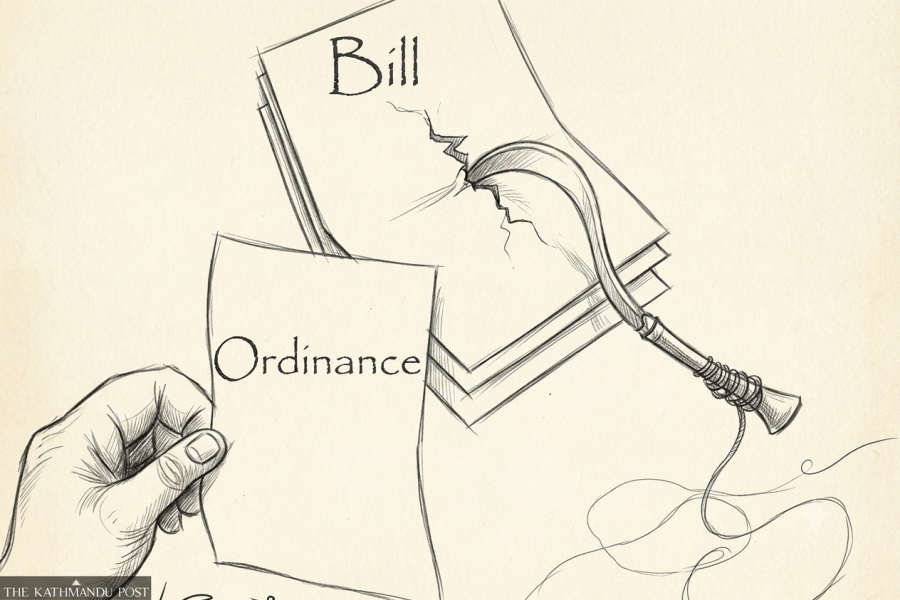
The expiration of several executive orders in Afghanistan has created significant legal vacuums, impacting various sectors of governance and public life. These lapsed orders were instrumental in establishing constitutional appointments, enacting university reforms, and guiding land management initiatives. Without these legal frameworks, the continuity and validity of decisions made under them are now in question. This situation poses fresh challenges for the Taliban administration, which relied on these decrees to implement its policies. The evaporation of these altered provisions means that legal processes will need to be re-established or new legislation introduced to address the gaps. This could lead to delays in essential government functions and potentially undermine public trust in the legal system. The constitutional appointments, in particular, could face scrutiny regarding their legitimacy moving forward. University reforms may be halted or reversed, impacting higher education. Land management initiatives, crucial for economic stability and resource allocation, will also be affected. The situation highlights the precariousness of governance reliant on executive decrees that have finite lifespans. Afghanistan's legal landscape is now facing a period of significant uncertainty as a result of these expired ordinances.
The expiration of key executive orders in Afghanistan underscores the fragility of governance structures that depend heavily on temporary decrees rather than codified, enduring legislation. This reliance on executive orders, particularly within a context of evolving political authority, creates inherent instability and legal ambiguity. As the Taliban administration navigates governance, the challenge lies in transitioning from decree-based policy implementation to establishing robust, transparent legal frameworks that ensure long-term predictability and public confidence. The current situation presents a critical juncture for developing a more resilient legal system that can withstand the ebb and flow of political directives, fostering an environment where constitutional appointments, educational reforms, and land management can proceed on a stable, legally sound foundation for the future.
AI-generated to prompt reflection — not editorial opinion, not advice, not a statement of fact. How this works.