Expired Powdered Milk Repackaged with False Expiration Dates in Illegal Factory in São Paulo
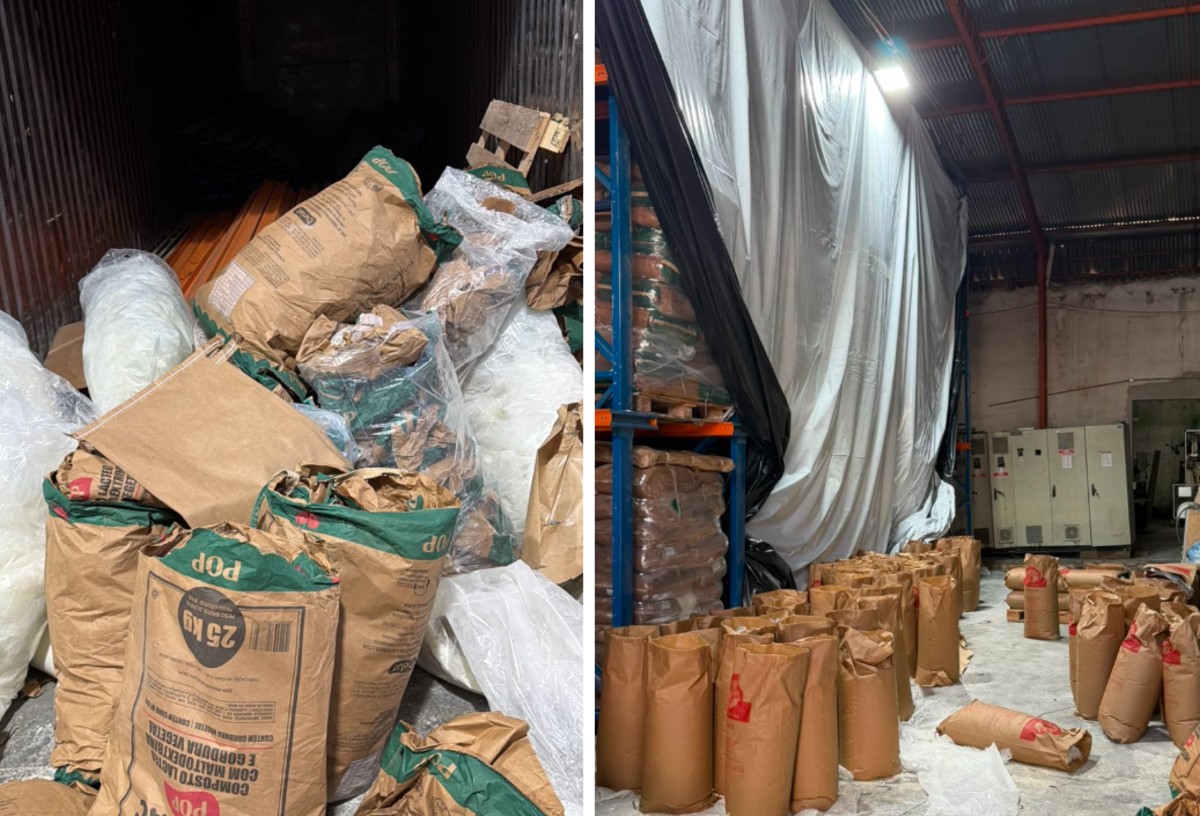
Civil Police in São João da Boa Vista, São Paulo, Brazil, have uncovered a clandestine factory involved in repackaging and altering the expiration dates of expired powdered milk. During a raid on a property in the Jardim Bela Vista neighborhood on Monday, September 13th, officers discovered the illegal operation. A man was arrested at the scene and will face charges for falsifying and adulterating food products. The investigation is a continuation of a previous operation on June 23rd, which led to the arrest of a businessman suspected of altering expiration dates on food supplements, whey protein, and powdered milk. Investigators found that the group had moved its illegal activities to a new location. At the raided site, three employees were caught dividing and bagging the expired powdered milk. The scheme involved removing the expired product, which had passed its expiration date in May of the current year, from large industrial packaging. This milk was then placed into new packaging bearing a different brand's label. Using an electronic device, the perpetrators printed new batch numbers and artificially extended the expiration dates to July 2027. Authorities seized the date-reprinting machine and hundreds of empty packaging materials from various brands. Technical experts collected food samples, and the Municipal Health Surveillance agency shut down and sealed the premises. According to Delegate Jorge Mazzi, both phases of the investigation indicate an organized scheme that jeopardized public health by providing misleading information about the origin, composition, and expiration dates of the falsified food products.
This incident highlights a critical vulnerability in food supply chain integrity, where expired products are deceptively rebranded and relabeled to circumvent regulatory oversight and consumer trust. The operation's structured approach, involving multiple individuals and specialized equipment for repackaging and date alteration, suggests a level of organization beyond opportunistic crime. Such schemes exploit information asymmetry, posing significant public health risks by potentially distributing contaminated or nutritionally degraded products. Moving forward, enhanced traceability technologies, such as blockchain, and more robust unannounced inspections could bolster regulatory defenses against these sophisticated forms of food fraud. The long-term implications involve not only immediate health concerns but also erosion of consumer confidence in food labeling and branding, potentially impacting market dynamics and brand loyalty across the industry.
AI-generated to prompt reflection — not editorial opinion, not advice, not a statement of fact. How this works.