Explainer: The 'Second Envelope' in Erap Estrada's Impeachment Trial
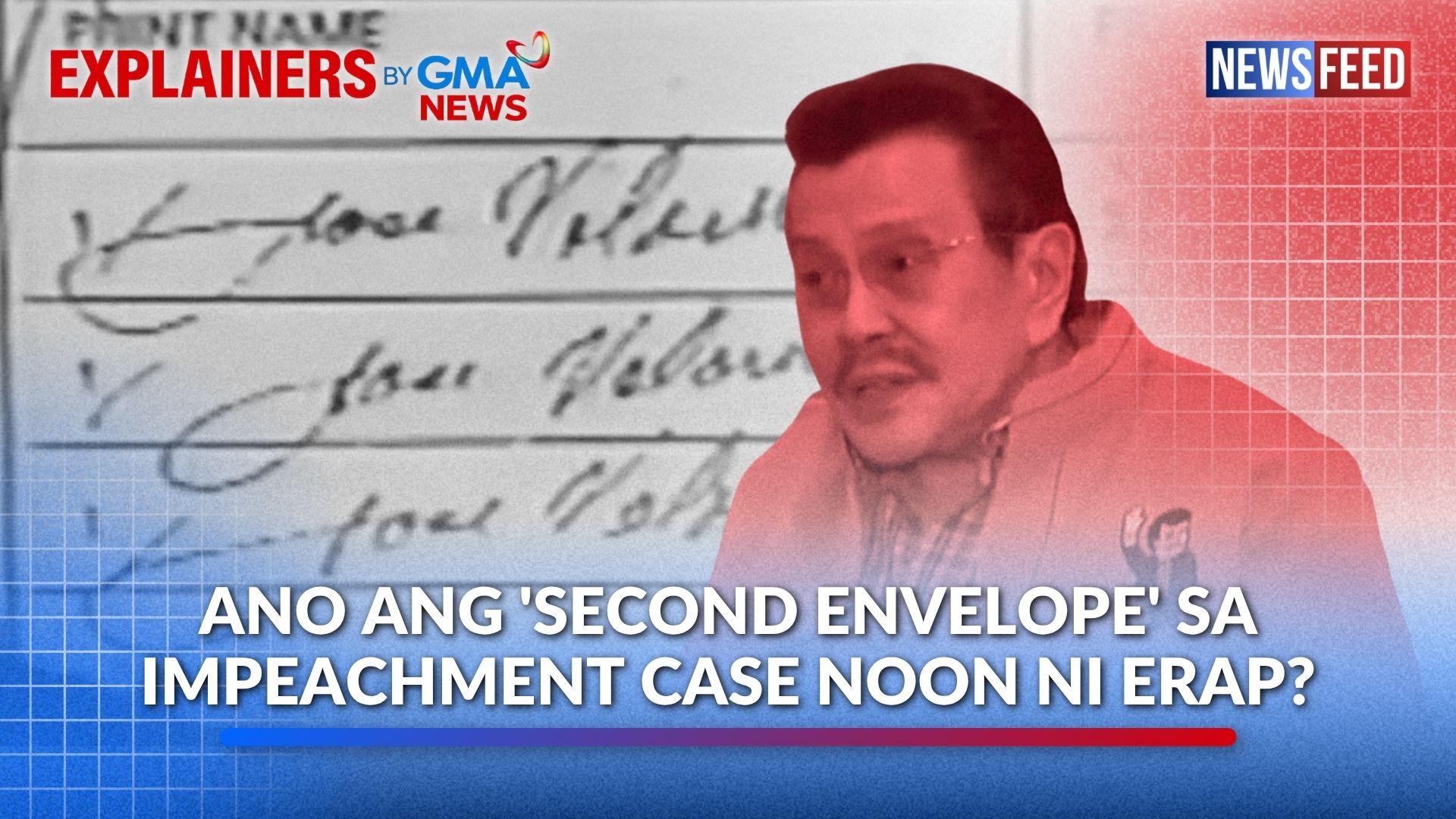
Discussions about the 'second envelope' from former President Joseph 'Erap' Estrada's impeachment trial have resurfaced following a subpoena for Vice President Sara Duterte's financial records. This event occurred over two decades ago. The 'second envelope' refers to a crucial piece of evidence during Estrada's impeachment proceedings. Its contents and significance played a pivotal role in the unfolding of the trial. The reemergence of this topic highlights historical parallels in political and legal scrutiny. It also draws attention to the enduring relevance of transparency and accountability in public office. The subpoena issued for Vice President Duterte's financial records has triggered this renewed interest in past impeachment processes. This suggests a pattern of intense examination of high-ranking officials' financial dealings. The 'second envelope' remains a significant point of reference in understanding the complexities of presidential impeachment in the Philippines.
The renewed discussion of the 'second envelope' from former President Estrada's impeachment trial, prompted by a subpoena for Vice President Duterte's financial records, highlights a recurring theme in Philippine political discourse: the role of financial transparency in high-stakes accountability processes. This historical parallel suggests that scrutiny of personal finances remains a potent tool in challenging the integrity of public officials. The framing of such evidence as a 'second envelope' can evoke a sense of mystery and anticipation, potentially influencing public perception beyond the purely legal merits. Examining this dynamic reveals how narrative framing can intersect with governance, impacting both the perceived legitimacy of investigations and the broader public trust in institutions. Understanding the incentives behind such information disclosure and its strategic use could offer insights into future accountability mechanisms in the digital age.
AI-generated to prompt reflection — not editorial opinion, not advice, not a statement of fact. How this works.