Explaining 'Zombie Fires' Complicating Fontainebleau Forest Blaze
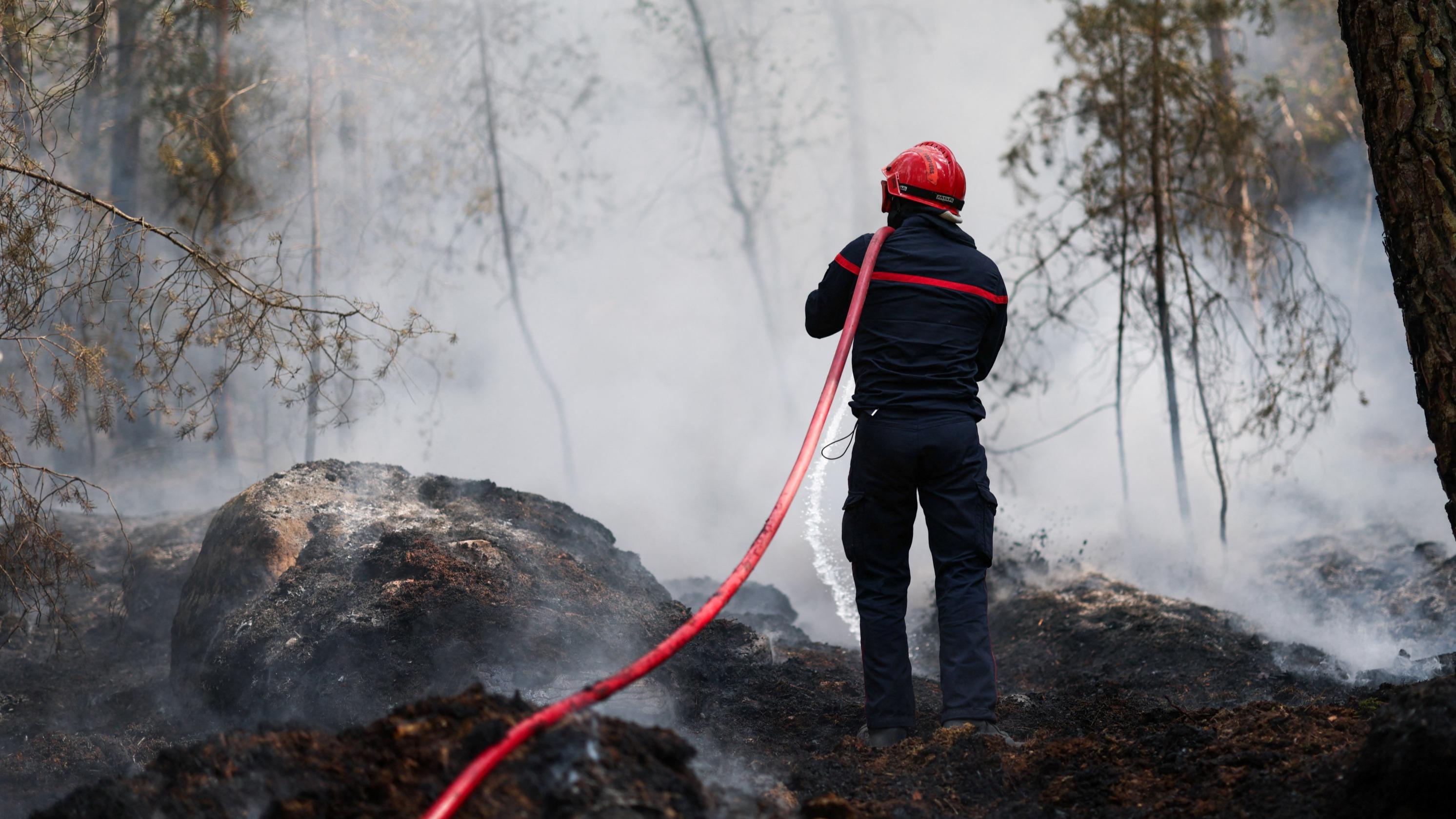
Sophie David, head of the Environment and Public Reception service for ONF Île-de-France Est, explains the phenomenon of 'zombie fires' that are complicating the firefighting efforts in Fontainebleau forest. These fires, which can smolder for several months, present a significant challenge for firefighters in the Seine-et-Marne region. Unlike conventional fires that spread rapidly, zombie fires burn slowly underground or within peat and root systems. This makes them difficult to detect and extinguish completely, as they can reignite days or weeks after appearing to be out. The ONF (Office National des Forêts) is working to manage these persistent underground fires. The prolonged nature of these fires means that emergency services may be engaged in monitoring and combating them for an extended period, potentially several weeks. The unique characteristics of these fires require specialized approaches and sustained effort from the fire brigades and forestry services.
The emergence of 'zombie fires' in the Fontainebleau forest highlights the evolving challenges in wildfire management, particularly in ecosystems with significant peat or organic soil content. These fires, characterized by their slow, subterranean smoldering and potential for long-term reignition, underscore the limitations of conventional firefighting tactics. Future strategies will likely need to incorporate advanced detection technologies, such as thermal imaging, and more sustainable, long-term containment approaches that address the root causes of underground combustion. The prolonged nature of these events also raises questions about resource allocation and the resilience of forest management agencies when faced with persistent, low-intensity threats that can flare up unpredictably, demanding continuous vigilance and adaptation.
AI-generated to prompt reflection — not editorial opinion, not advice, not a statement of fact. How this works.