Exploding Assacu Fruit: Amazonian Tree's Violent Seed Dispersal Mechanism Explained
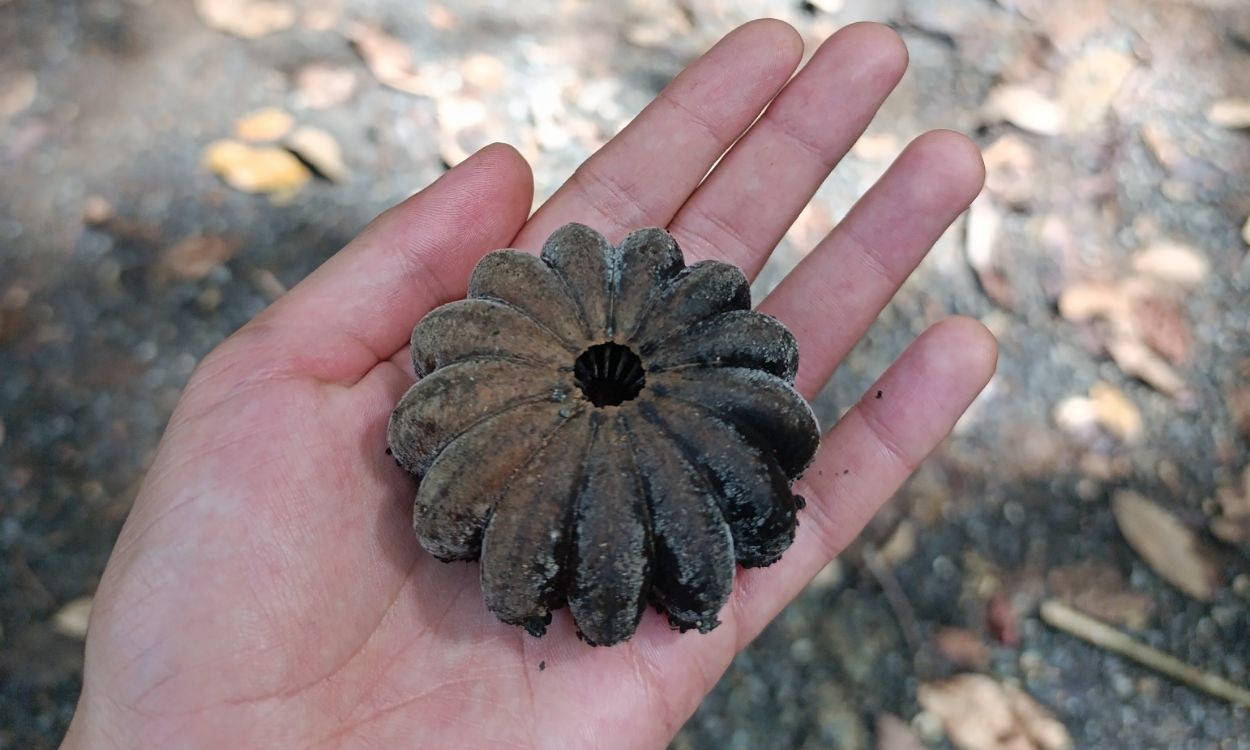
The assacu tree (Hura crepitans), found in the Brazilian Amazon, possesses a remarkable evolutionary adaptation: its fruit undergoes explosive dehiscence, launching seeds dozens of meters away. This phenomenon, known as explosive dehiscence, is a survival strategy where the fruit, upon maturing and drying, ruptures violently. The process involves the fruit capsule losing water and accumulating internal mechanical tension. When this pressure exceeds the structure's limit, the fruit bursts, with segments acting like springs to propel seeds up to 45 meters from the parent tree. This dispersal mechanism ensures that new seedlings have access to light and nutrients without directly competing with the established tree and reduces losses to predators and fungi concentrated near the trunk. In some conditions, these seeds can be ejected at speeds nearing 250 km/h, making the assacu one of the most extreme examples of this dispersal method in tropical trees. Beyond its explosive fruit, the assacu tree can reach heights of 40 meters and is characterized by a trunk covered in conical spines, earning it names like 'devil tree.' It also defends itself by releasing a highly irritating white latex when cut, which can cause severe reactions upon contact with mucous membranes and is toxic if ingested. Despite its toxicity, the assacu's complex phytochemistry, including compounds like diterpenes, lectins, and flavonoids, is of significant scientific interest. Preliminary research suggests potential antioxidant, antimicrobial, anti-inflammatory, and antitumor properties, as well as possible applications in diabetes treatment, though further studies are needed to confirm therapeutic uses in humans.
The assacu tree's explosive seed dispersal mechanism exemplifies a highly effective, albeit aggressive, evolutionary strategy for species propagation in competitive environments like the Amazon rainforest. This biological 'catapult' system, driven by internal mechanical forces, showcases nature's ingenuity in overcoming dispersal limitations and predator pressure. While the tree's toxic latex and spines represent formidable defenses against herbivory, the dual nature of its bioactive compounds—offering both potent toxicity and potential therapeutic benefits—presents a complex challenge for scientific and pharmaceutical exploration. Future research will likely focus on isolating and synthesizing beneficial compounds while mitigating toxic effects, potentially unlocking novel treatments. This case underscores the intricate balance of survival mechanisms and chemical adaptations that shape biodiversity and highlights the ongoing potential for scientific discovery within the natural world.
AI-generated to prompt reflection — not editorial opinion, not advice, not a statement of fact. How this works.