Explosions Heard in Iranian Cities Amid Tensions Over Strait of Hormuz
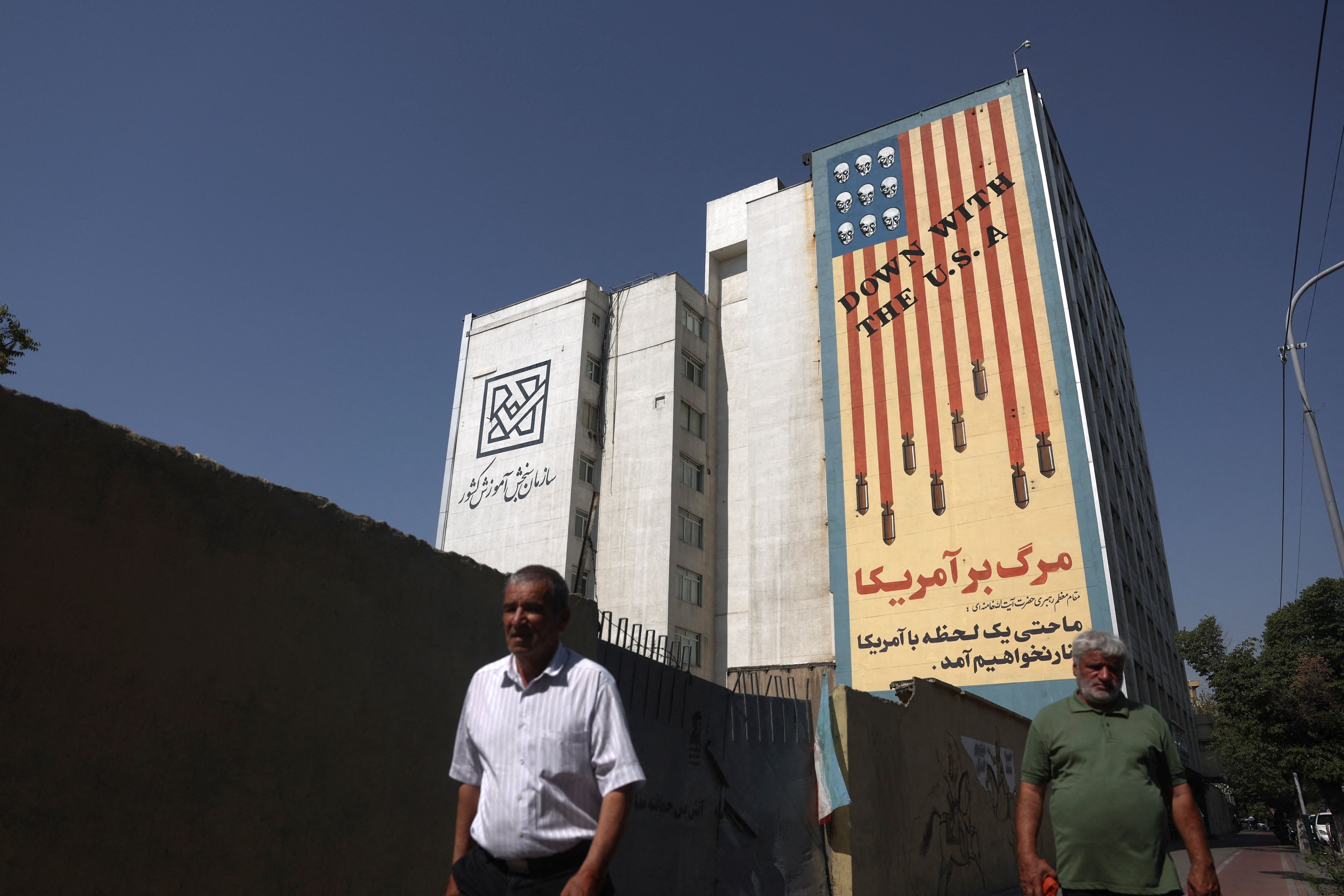
At least four explosions were reported in the port city of Bandar Abbas and Konarak, Iran, on Monday, July 13th. State media has not yet confirmed the cause of the detonations or reported any casualties or damage. Bandar Abbas, a frequent target of U.S. actions in recent days, is strategically located on the Strait of Hormuz, a vital waterway for global oil transport. Iran's Tasnim agency indicated that air defense systems were activated in Bandar Abbas, suggesting a potential ongoing attack. Separately, the state agency IRNA reported that four missiles struck areas near Konarak, located on the Gulf of Oman, with American aircraft observed in the vicinity. Tasnim also reported attacks on several vessels deemed "violators" by Iran within the Strait of Hormuz. These events occurred shortly after U.S. President Donald Trump declared that the U.S. would control the Strait of Hormuz, imposing a 20% levy on cargo passing through as compensation for security. Trump also announced a resumption of the naval blockade against Iran starting Tuesday, July 14th. Iran's military command has refuted Trump's claims, asserting they will not permit U.S. intervention in the Strait's administration and warning that any unauthorized U.S. transit will be met with strong opposition. Iran also issued a warning to regional countries, stating that cooperation with the U.S. would be considered an act of war. The Islamic Revolutionary Guard Corps (IRGC) affirmed its control over the Strait and warned that U.S. interference jeopardizes global energy security. Iran claims the Strait of Hormuz was closed on Saturday, July 11th, until further notice, citing U.S. operations in the region and prohibiting vessel passage. This announcement followed U.S. Central Command's report of attacking 140 Iranian military targets over 24 hours, as retaliation for Iranian attacks on vessels. The U.S. denies the Strait is closed, while the IRGC confirmed firing warning shots at commercial vessels that allegedly ignored warnings and posed a maritime security risk.
The reported explosions in Iranian cities and escalating rhetoric surrounding the Strait of Hormuz highlight the volatile geopolitical dynamics of global energy transit. The U.S. assertion of control and proposed cargo levy, juxtaposed with Iran's defiant stance and warnings to regional actors, presents a complex interplay of strategic interests and potential for escalation. This situation underscores the inherent fragility of critical maritime chokepoints and the systemic risks associated with unilateral actions that can disrupt global supply chains. As the world navigates an era increasingly defined by resource competition and technological advancements, the management of such strategic waterways will continue to be a significant factor in international relations, demanding careful consideration of diplomatic channels and adherence to established maritime norms to prevent wider conflict and ensure stable energy flows.
AI-generated to prompt reflection — not editorial opinion, not advice, not a statement of fact. How this works.