Explosive Attacks Decline in Netherlands, Focus Shifts to Masterminds
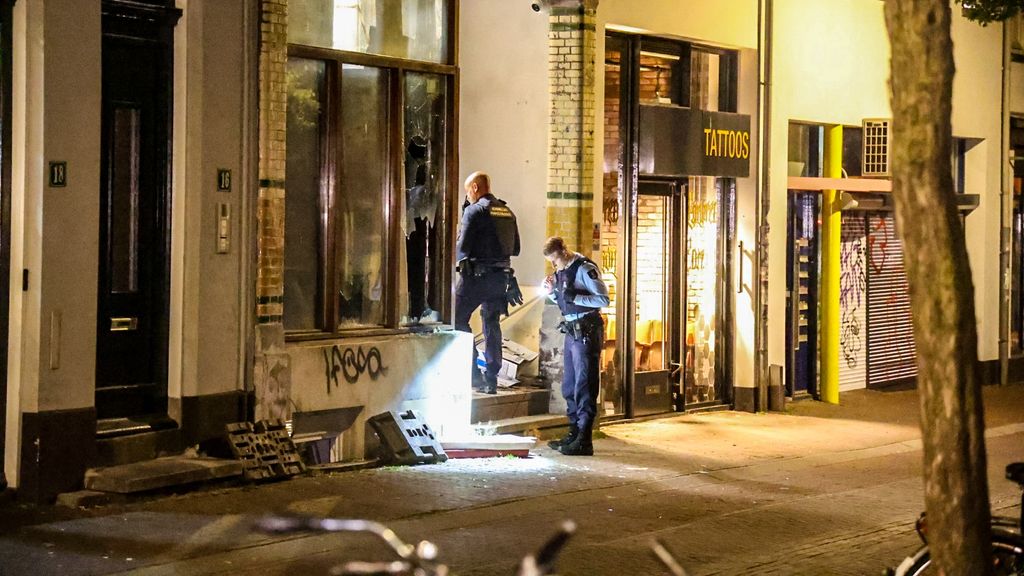
The number of explosive attacks in the Netherlands has decreased in the first half of this year, with 581 incidents reported, a reduction of 124 compared to the same period last year, representing a nearly 20 percent drop. The majority of these attacks involved fireworks, with over 300 cases using heavy fireworks and 260 incidents combining fireworks with fuel. In a few instances, explosives were manufactured differently. Rotterdam Mayor Schouten, chair of the Offensive Against Explosions, noted the national decrease but emphasized that every attack is one too many. This decline offers optimism, especially after a significant 71 percent surge in 2024 compared to 2023. The Offensive, established last year, unites entities like the police, the Ministry of Justice and Security, and the Association of Insurers to combat explosive attacks. Statistics reveal that most perpetrators are under 25, with less than one in six suspects over thirty. While younger individuals are often apprehended, they typically act on orders without knowing their client's identity or motive. Consequently, law enforcement and the Public Prosecution Service are concentrating on intermediaries, as explosive devices are ordered online and used in criminal, business, and personal disputes. Prevention efforts are also being intensified for those under 25, involving parental support, youth workers, and sports clubs to discourage involvement. An action plan implemented in April last year by the Offensive is now showing initial results, though further collaboration is deemed necessary. To address the accessibility of heavy fireworks, the Offensive aims to restrict their sale at the European level, as current production within Europe makes them readily available. The strategy also targets the transport and storage of these materials, with close cooperation with Germany, where significant stockpiles exist in old bunkers. The low cost of explosives is cited as a major factor enabling their use, particularly among rival youth groups. Mayor Schouten expressed concern about youth involvement, urging parents to check their children's rooms for explosives.
The reported decrease in explosive attacks in the Netherlands, while positive, highlights a persistent challenge in addressing the root causes of criminal activity. The shift in focus from young perpetrators to their intermediaries and clients suggests a strategic evolution in law enforcement's approach, acknowledging that apprehending low-level actors may not dismantle organized criminal networks. The reliance on readily available fireworks as a primary explosive agent underscores vulnerabilities in European-wide regulations and supply chain control. Future efforts may benefit from examining the economic incentives driving the use of low-cost explosives and exploring systemic interventions that address both demand and supply, potentially through enhanced international cooperation on precursor control and digital marketplaces. The emphasis on youth prevention indicates an understanding of the long-term societal impact, but sustained success will likely depend on comprehensive strategies that offer viable alternatives and address underlying social and economic factors contributing to youth engagement in illicit activities.
AI-generated to prompt reflection — not editorial opinion, not advice, not a statement of fact. How this works.