Explosive Remnants: Why Large Areas in Mecklenburg-Vorpommern are Contaminated with Munitions
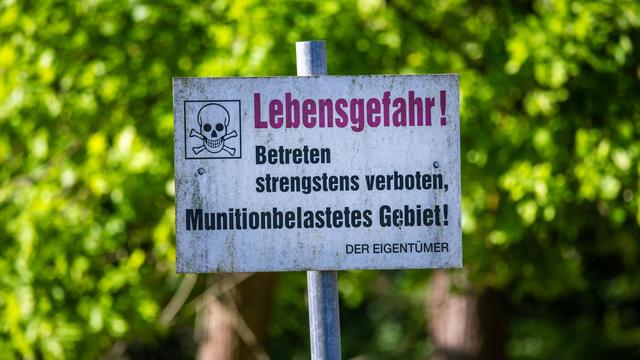
Large areas in the German state of Mecklenburg-Vorpommern (MV) are heavily contaminated with unexploded ordnance (UXO) from past conflicts. This contamination poses significant risks to public safety and hinders development projects. The problem stems from historical military activities, including extensive bombing during World War II and post-war dumping of munitions in the Baltic Sea.
Decades after the wars ended, these explosive remnants continue to surface, particularly during construction work or coastal erosion. The sheer volume of ordnance, estimated to be in the tens of thousands of tons, makes detection and clearance a monumental and costly task. Local authorities and specialized companies are engaged in ongoing efforts to map and neutralize these hazards, but the scale of the problem means that many areas remain dangerously compromised. The presence of UXO affects land use, agriculture, and infrastructure development, requiring extensive safety protocols and often leading to project delays and increased costs.
The persistent issue of unexploded ordnance in Mecklenburg-Vorpommern highlights the long-term, intergenerational consequences of military conflict and industrial-scale munitions disposal. This environmental legacy presents a complex challenge, necessitating sustained investment in remediation technologies and risk management strategies. Future urban planning and infrastructure development in such regions must proactively integrate UXO risk assessment and mitigation protocols, potentially leveraging AI-driven survey techniques and advanced detection systems. The economic and social costs associated with delayed projects and safety precautions underscore the importance of comprehensive, forward-looking land management policies that account for historical contamination.
AI-generated to prompt reflection — not editorial opinion, not advice, not a statement of fact. How this works.