Expoacre 2026: How to Get Free Tickets for National Shows
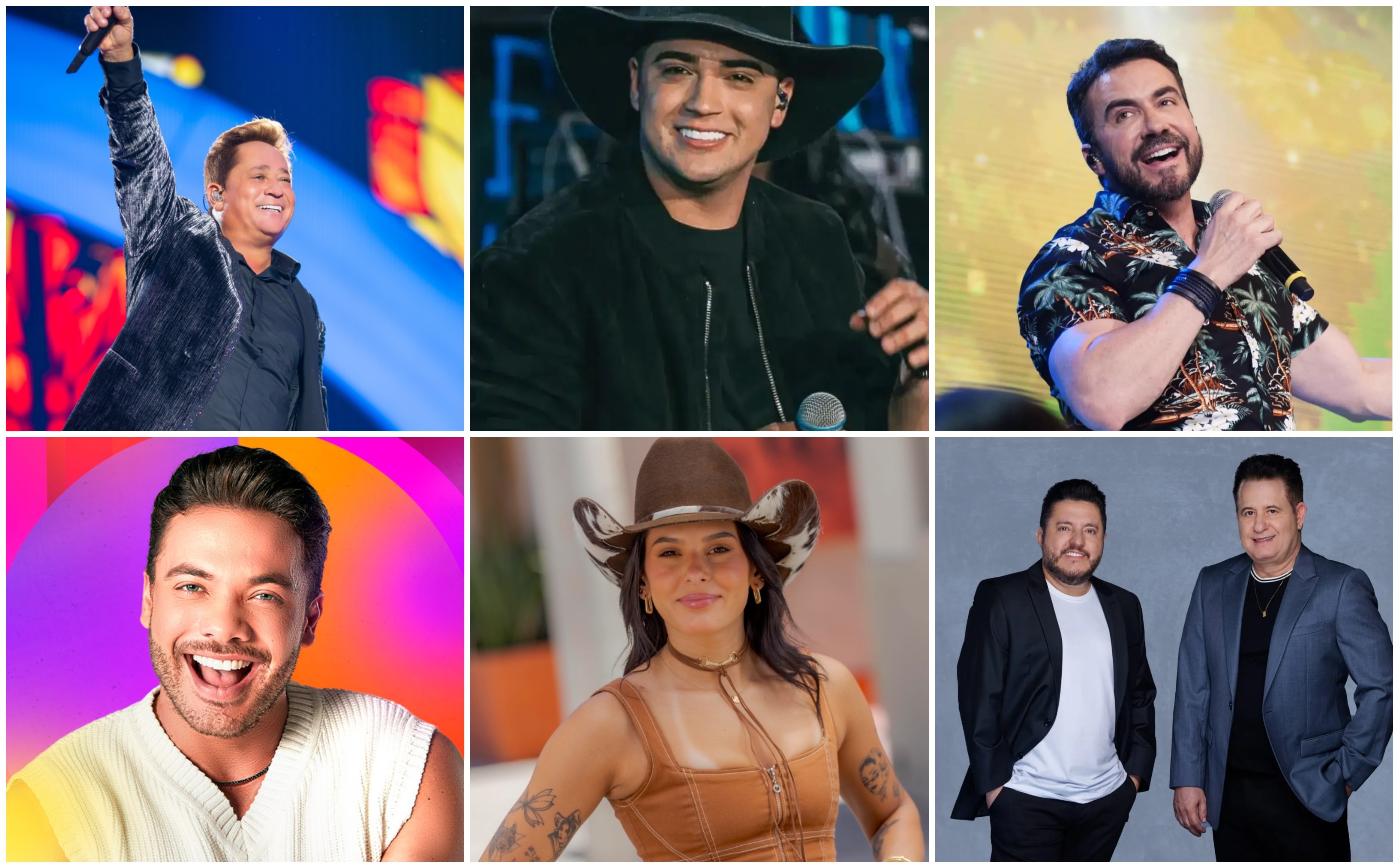
Residents of Rio Branco can now secure tickets for the highly anticipated Expoacre 2026 national music shows. Ticket distribution for the solidarity-based entry begins Wednesday, August 29th, at 8 AM, with distribution points set up in front of the Palácio Rio Branco in the city center. The distribution will continue on Thursday, August 30th, during the same hours. Entry to all performances is free, requiring only the donation of two kilograms of non-perishable food items per ticket. The event will feature prominent national artists including Leonardo, Ana Castela, Wesley Safadão, and the duo Bruno e Marrone. The official program was confirmed on Tuesday, August 28th, at the Wildy Viana Exhibition Park. The state government will directly manage the event's organization following a precautionary decision by the State Court of Accounts (TCE-AC) to suspend contracts with civil society organizations. Each CPF (Brazilian taxpayer ID) will be allowed one ticket per show, meaning an individual can collect tickets for all seven concerts by making the corresponding food donation for each. The schedule includes Leonardo on Sunday, September 2nd; Natanzinho Lima on Monday, September 3rd; Padre Fábio de Melo on Tuesday, September 4th; Wesley Safadão on Wednesday, September 5th; Ana Castela on Thursday, September 6th; Banda Som e Louvor on Friday, September 7th; and Bruno e Marrone closing the event on Sunday, September 9th. Fair activities, including the opening of stands, will run from 6 PM to 3 AM, commencing with the traditional Horse Parade. The Public Prosecutor's Office of Acre (MP-AC) has issued recommendations to ensure animal welfare during the parade, limiting one person per animal and requiring up-to-date vaccinations.
The organization of Expoacre 2026 has shifted to direct government management due to a judicial suspension of contracts with civil society organizations, highlighting potential governance and oversight challenges in public event management. The reliance on food donations for ticket acquisition presents a dual benefit: facilitating public access to cultural events while addressing local food insecurity, though the system's efficiency and equity warrant ongoing evaluation. The inclusion of diverse national artists aims to maximize public engagement, reflecting a common strategy in regional festivals to boost economic activity and cultural participation. Future considerations may involve optimizing the ticket distribution process and ensuring robust animal welfare protocols for the traditional parade, balancing cultural heritage with modern ethical standards.
AI-generated to prompt reflection — not editorial opinion, not advice, not a statement of fact. How this works.